
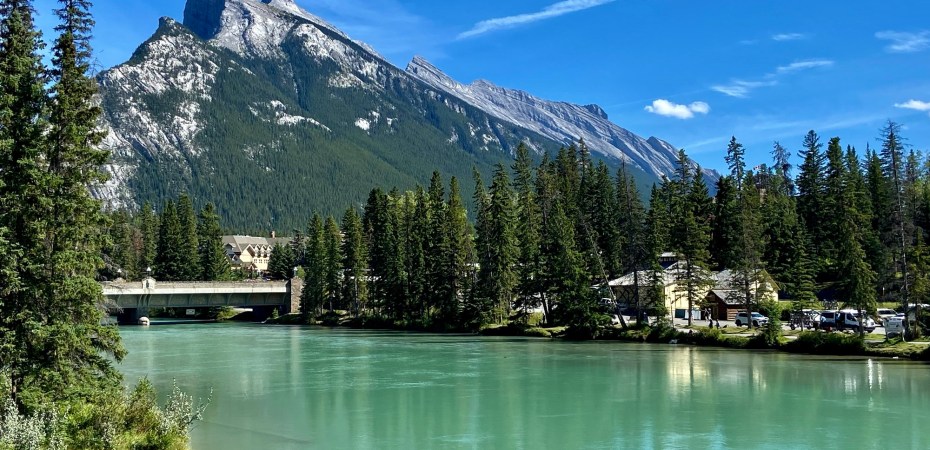
Dave and I had planned to visit Banff in 2020 but the pandemic forced us to put those plans on the back burner, and August 2024 was the year we were able to make it happen. We started our BC / Alberta journey on Vancouver Island and ended in Vancouver, and in between we spent a week in Banff National Park.
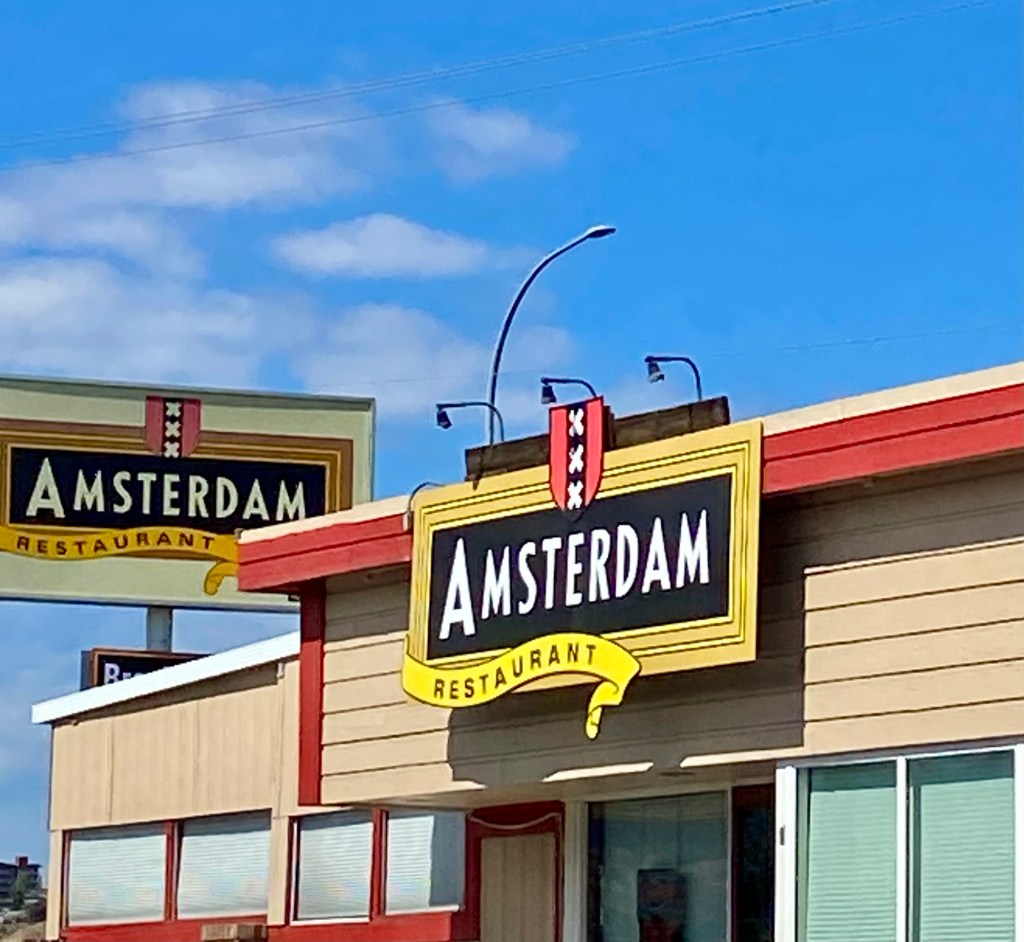
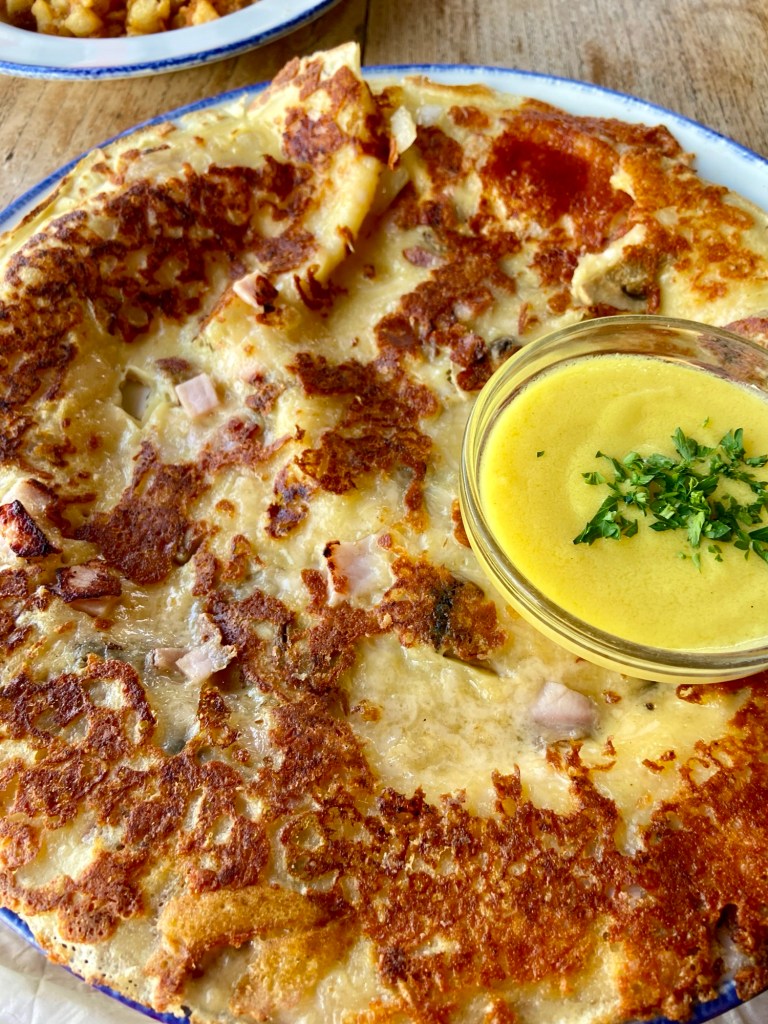
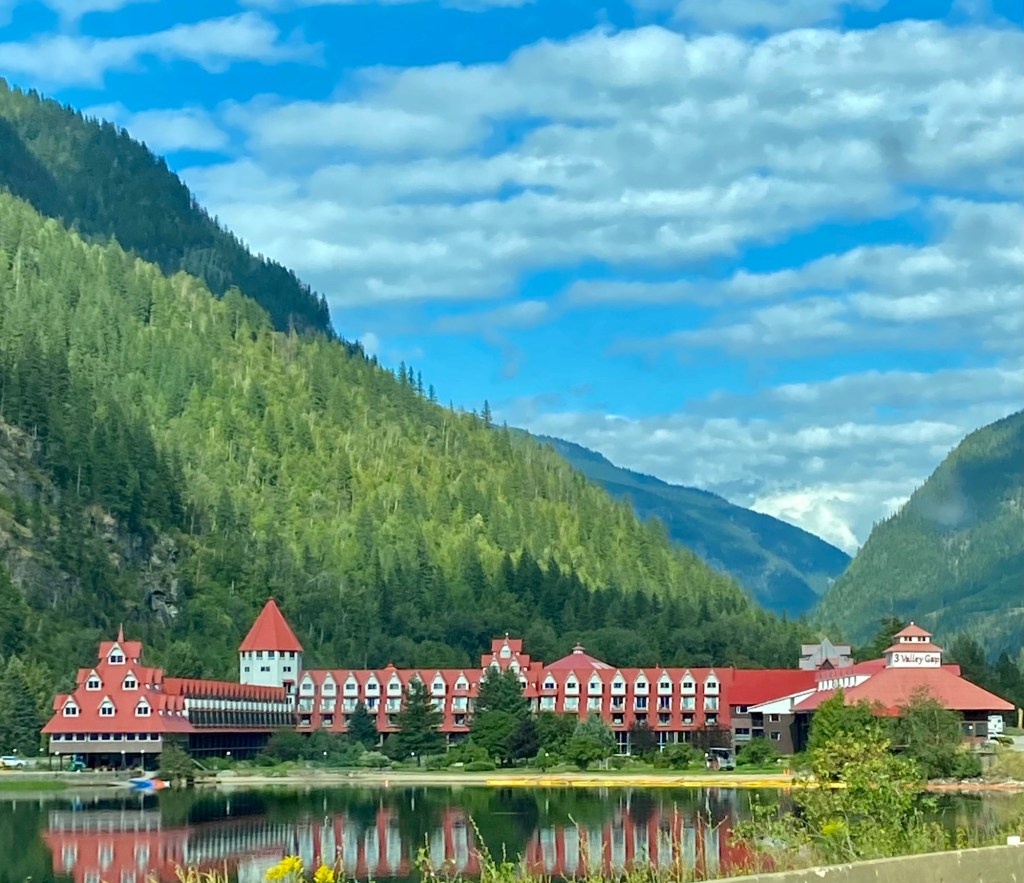
We began our journey in Nanaimo, taking the ferry to Horseshoe Bay and started the 500+ mile drive to Banff. To break up the trip we stopped a night in Kamloops and a night in Revelstoke. Kamloops was just a place to sleep and eat; we didn’t plan any extracurricular activities, however, if you’re there, try to stop at the Amsterdam Restaurant for delicious Dutch pancakes (pannenkoeken). The drive to Revelstoke was just under three hours, and we arrived at the Courthouse Inn just in time for check in. Revelstoke feels like a small, homespun town with a bandstand at the end of the main street, an excellent distillery, and some decent places to eat. The bar staff at Rumpus Beer Company is very friendly, and the Mexican food at Taco Club is tasty and abundant. If you have more than a day, you may want to check out the Railroad Museum, hike to Moses Falls, or take your picture with a 30-foot-tall Smokey Bear.

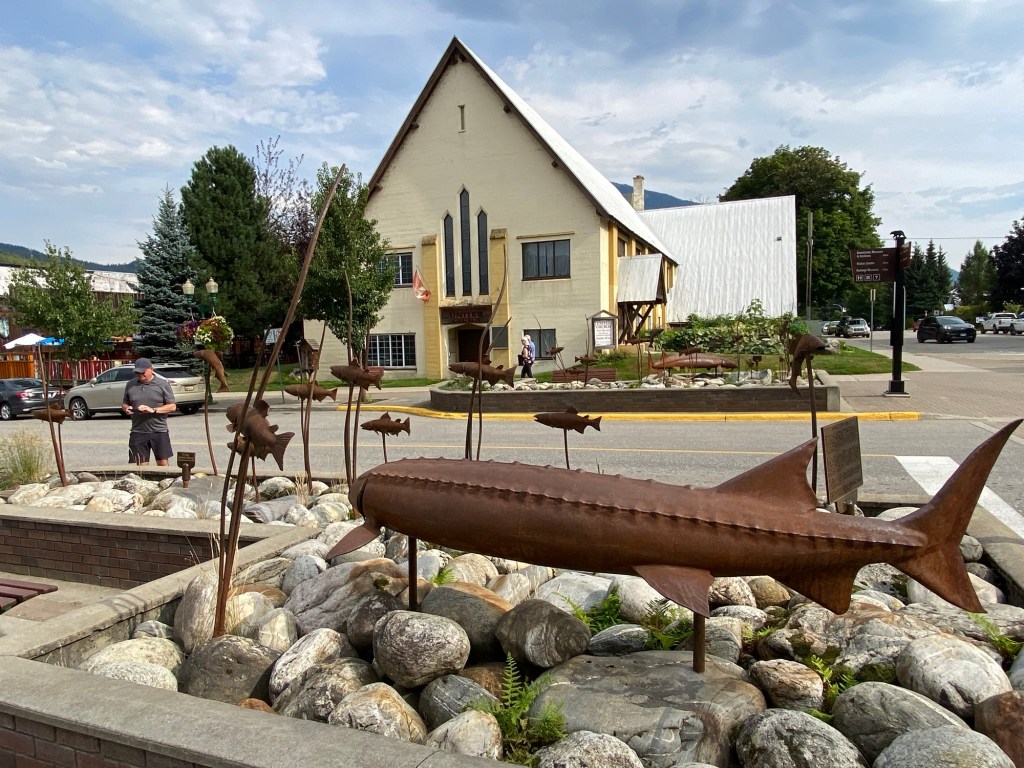

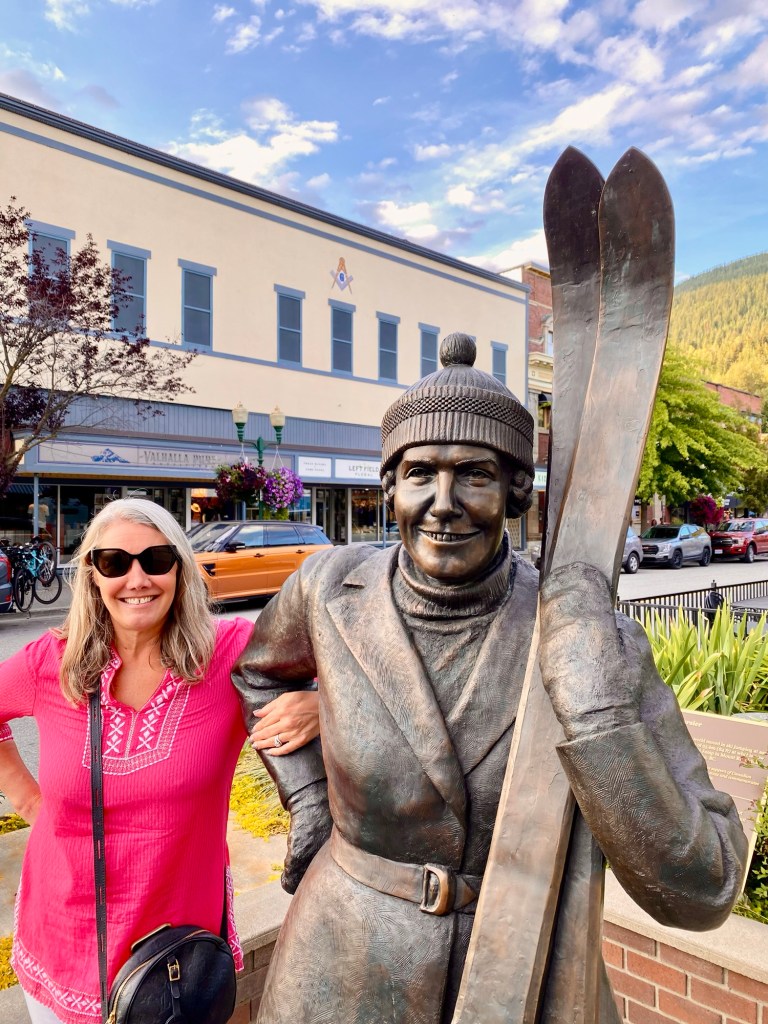
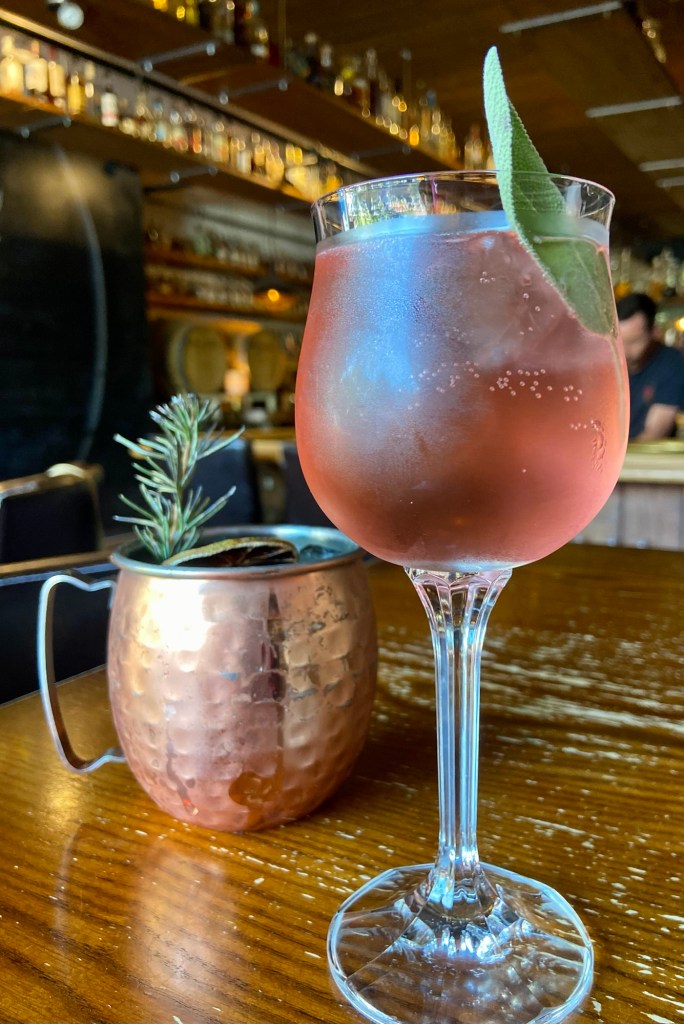
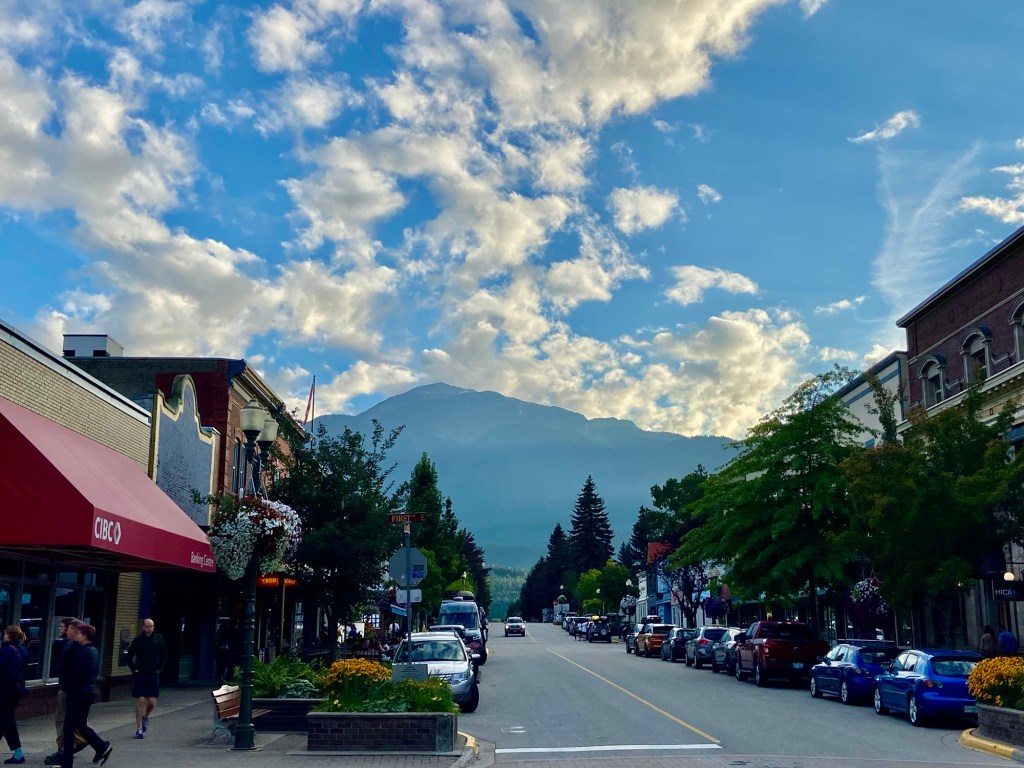
From Revelstoke to Banff town is a little over three hours, and we arrived too early to check in to our rental, which was in Canmore, about 15 minutes from Banff. We took the opportunity to do a little walk about in Banff town and grab an early dinner. When you arrive in Banff, you can park near the town sign for free and take the shuttle in to town, which will save you money and time hunting down parking, which can be challenging during the summer. If you decide to park in town, it’s important to know that there is only one pay zone for the entire town, which means you can move your car to different parking lots if needed. Also very important: wherever you are in Banff National Park, you are required to display a park pass in your windshield at all times, including in Banff Town. As you are approaching Banff on the Trans-Canada Highway (highway 1), there will be car lanes where you can purchase your passes, or, you can purchase them online. If you already have your park pass, stay in the far right lane to bypass the ticket purchase lanes.
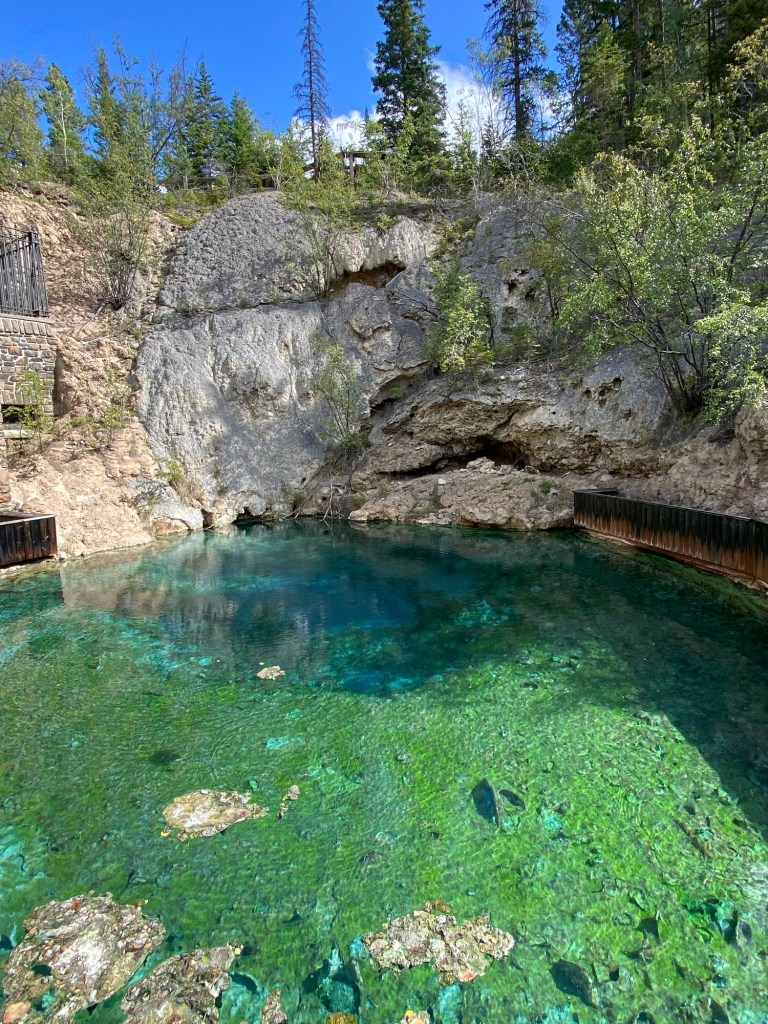
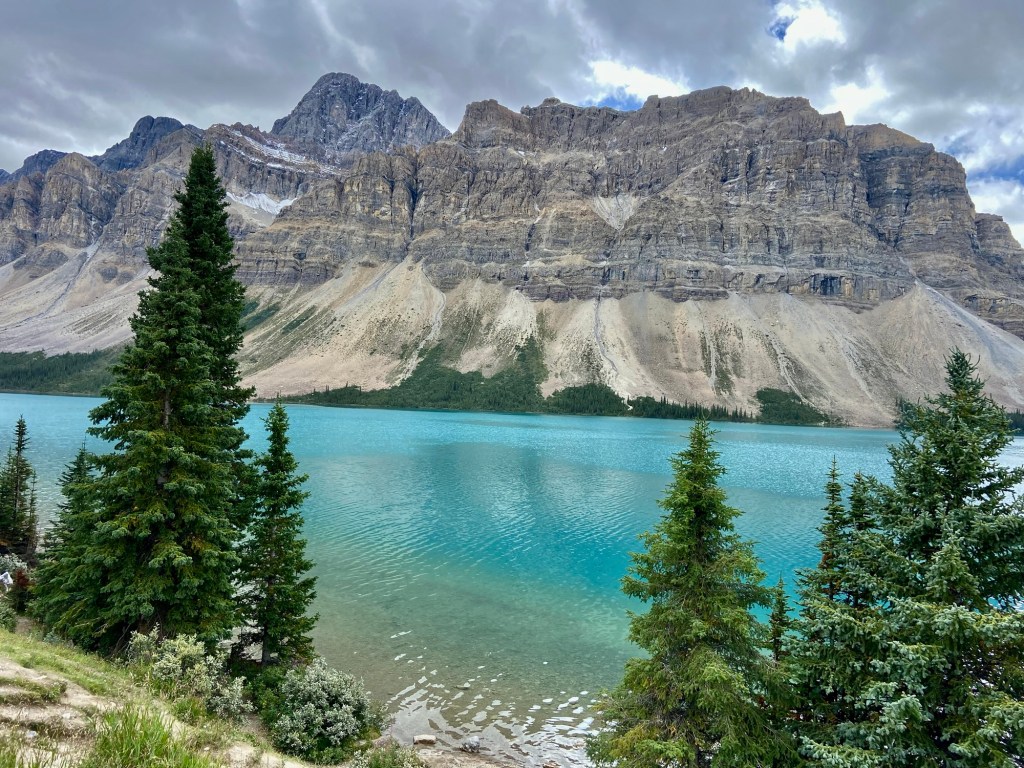
The town of Banff is super charming: it feels like a mashup of Jackson Hole and an Austrian ski village. It was in town we got our first view of the brilliant turquoise glacier waters that we would become accustomed to seeing. The water contains glacial rock flour, which is made up of finely ground rock particles that scatter the sunlight and create the unique turquoise color.
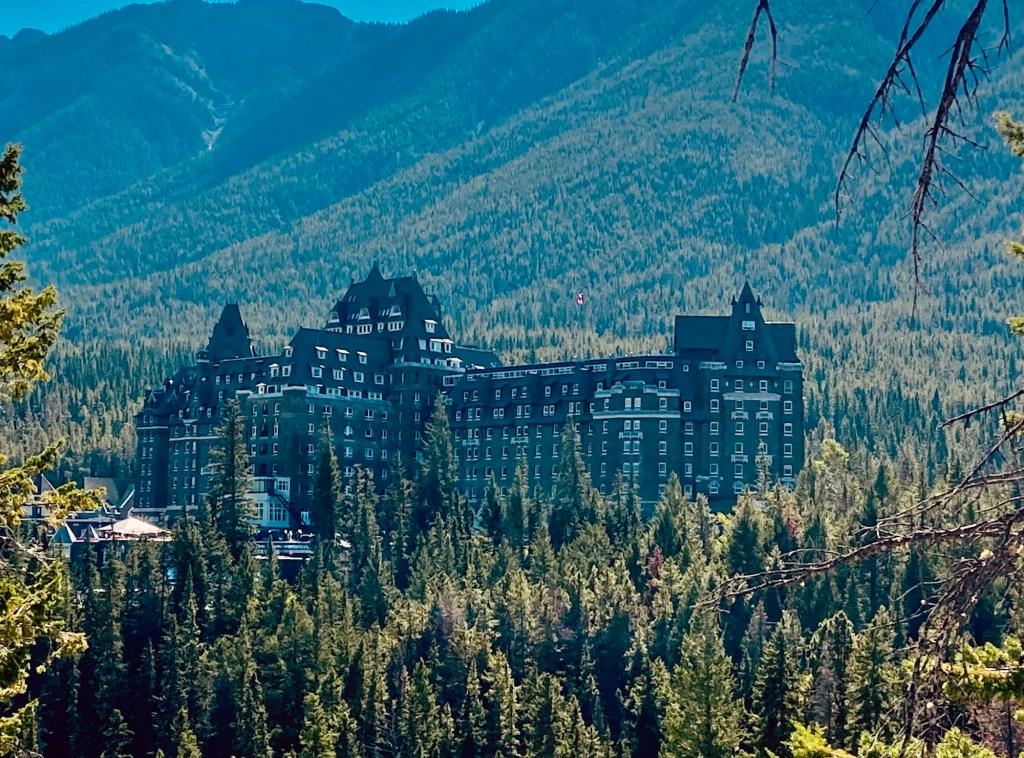
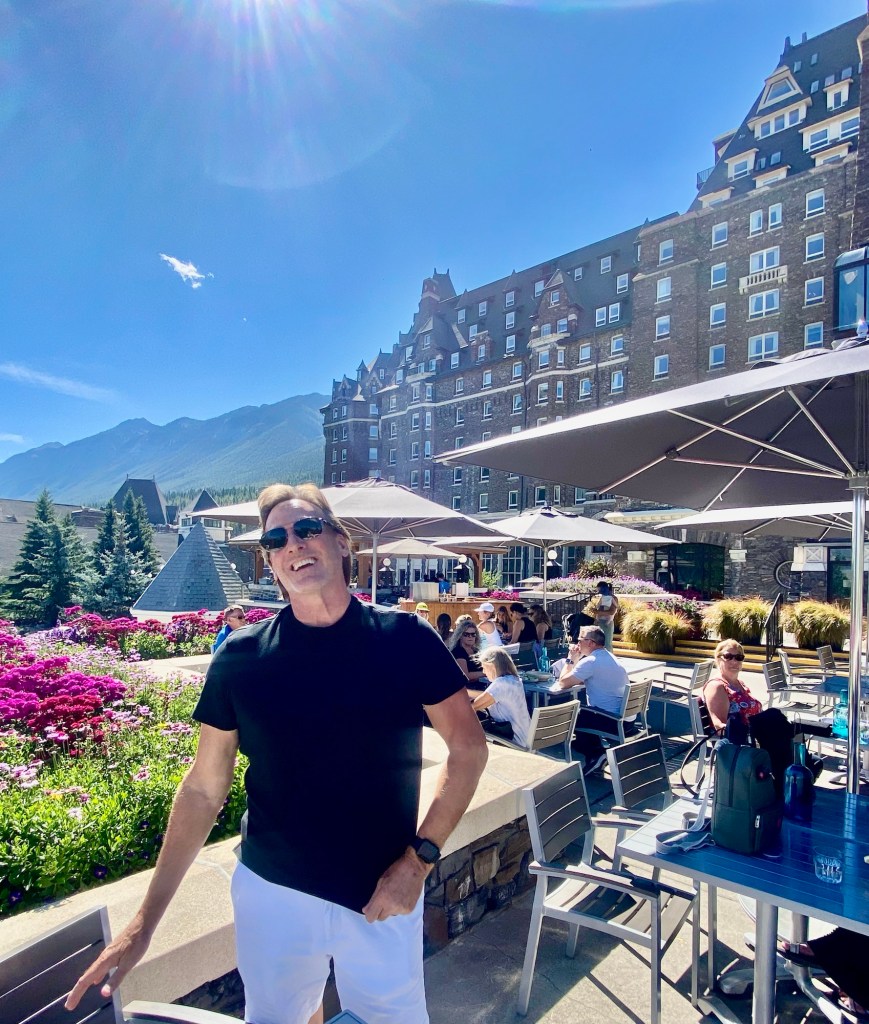
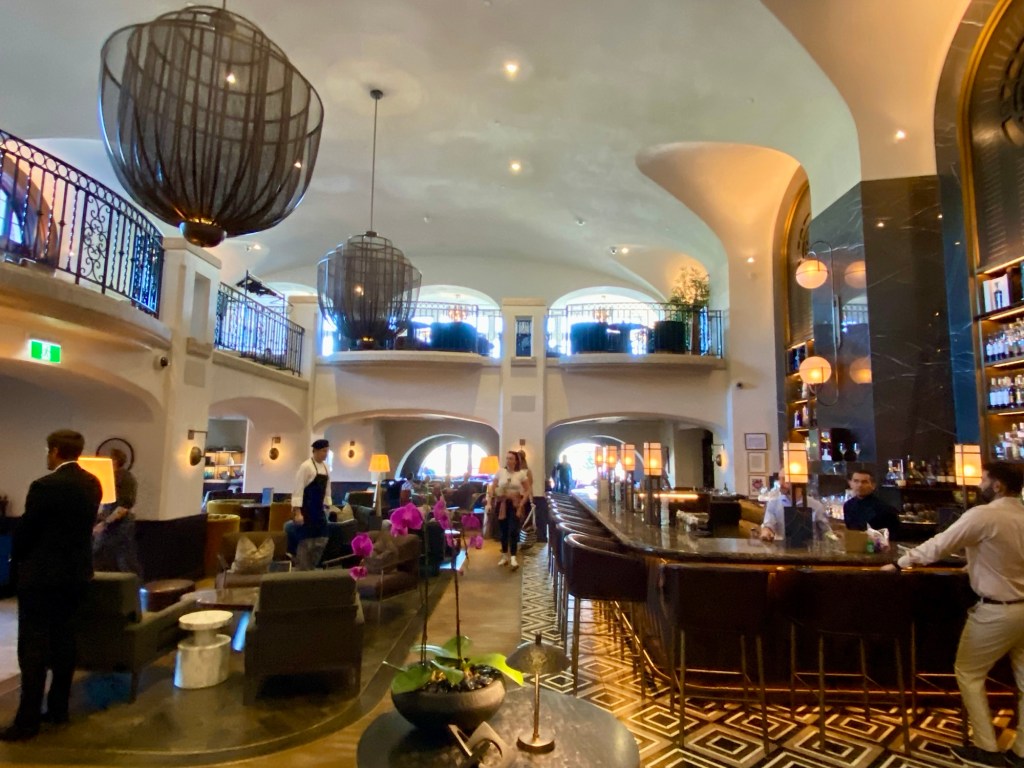
Most of the action in Banff town is east of the Bow River, but there are three bridges that cross over to the western side, two of which are pedestrian bridges. On the west side, be sure to walk the path along the Bow River near the Banff Pedestrian bridge to enjoy the nature and the sounds of the rushing water. Other highlights of Banff town were the Cascade of Time Gardens, the Cave and Basin National Historic Site (and Canada’s first national park), walking along Banff Avenue for shopping, and stopping at an occasional rooftop bar, and the ever-impressive Fairmont Banff Springs hotel, which looks like an imposing castle in the wilderness (also an excellent place for a fancy cocktail). For dinner, I highly recommend Lupo. We liked it so much we ate there twice during our weeklong stay.
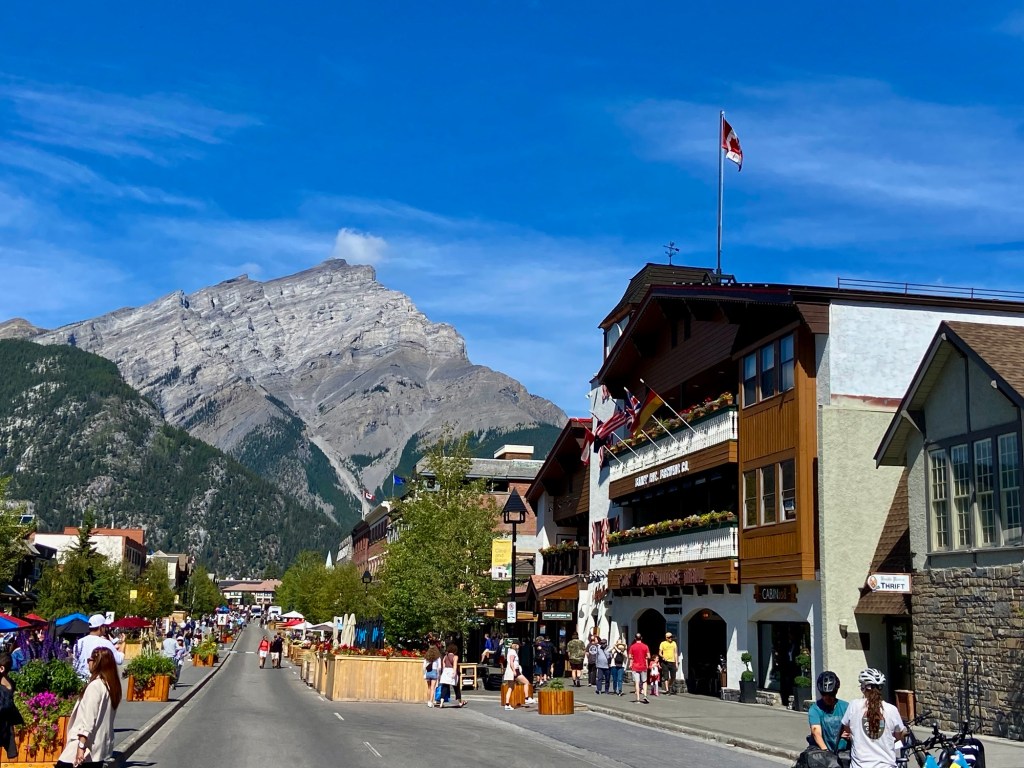

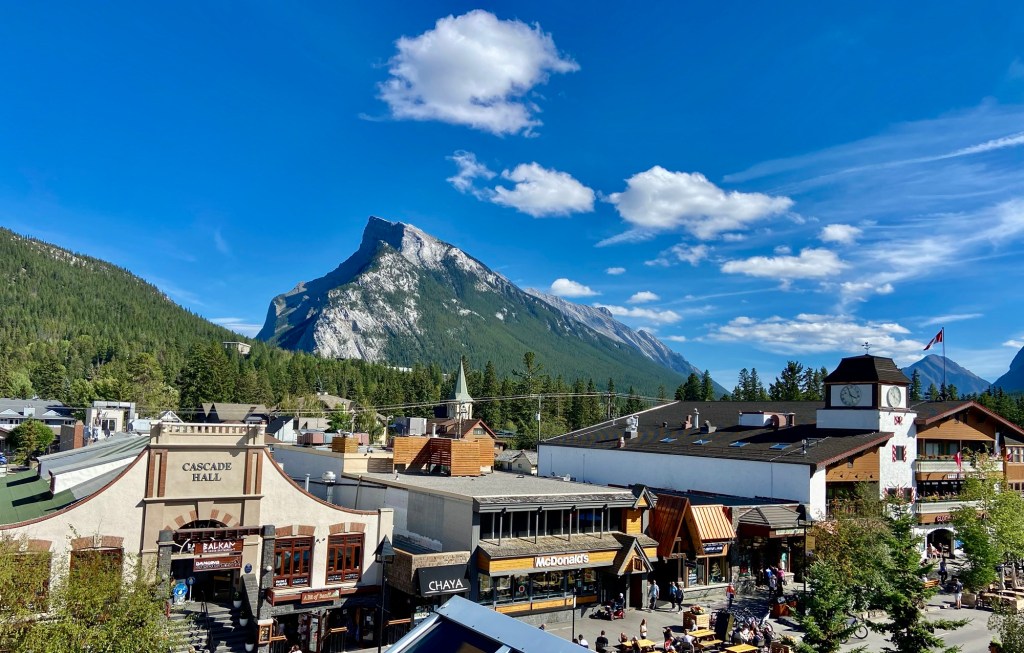
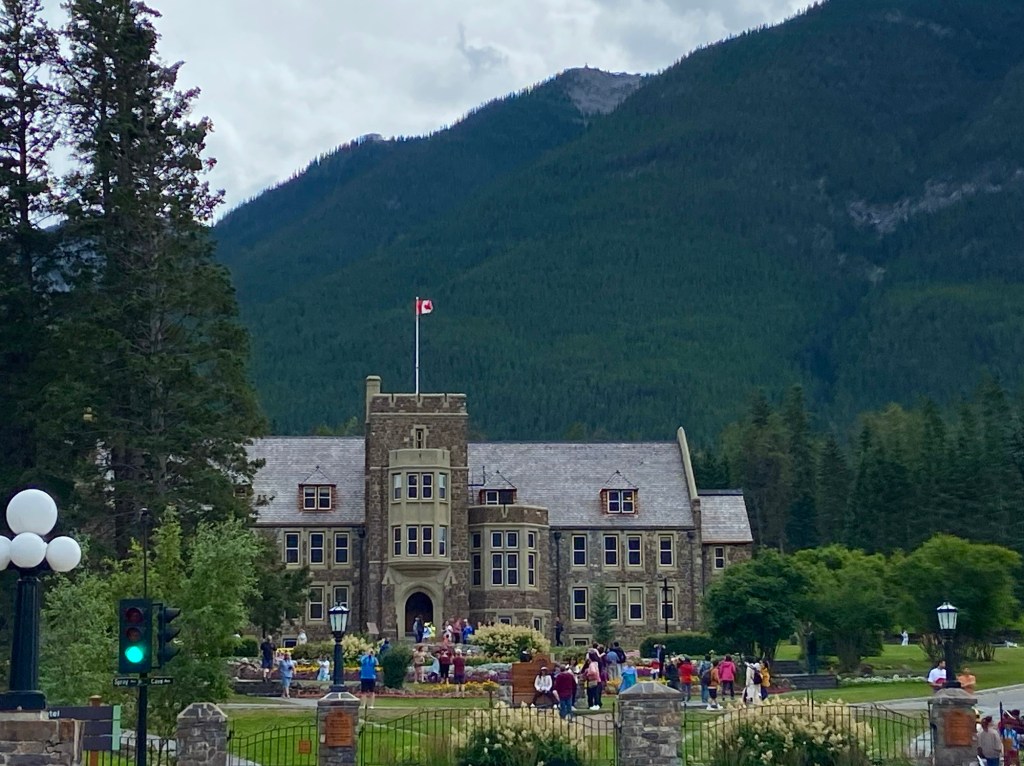
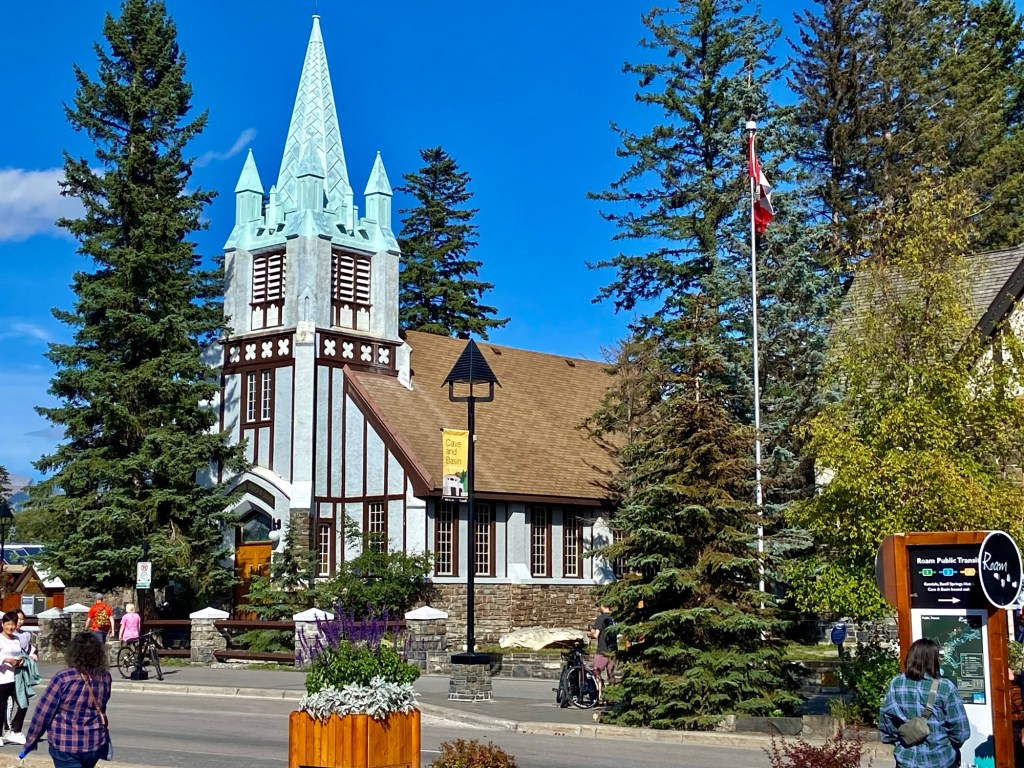
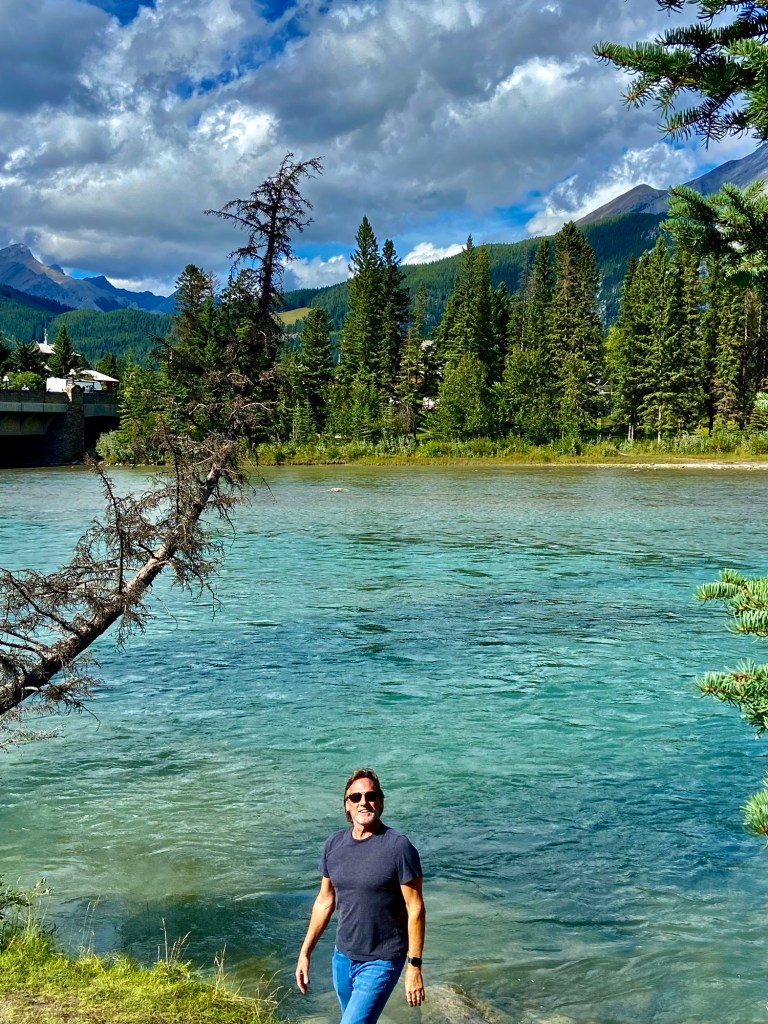
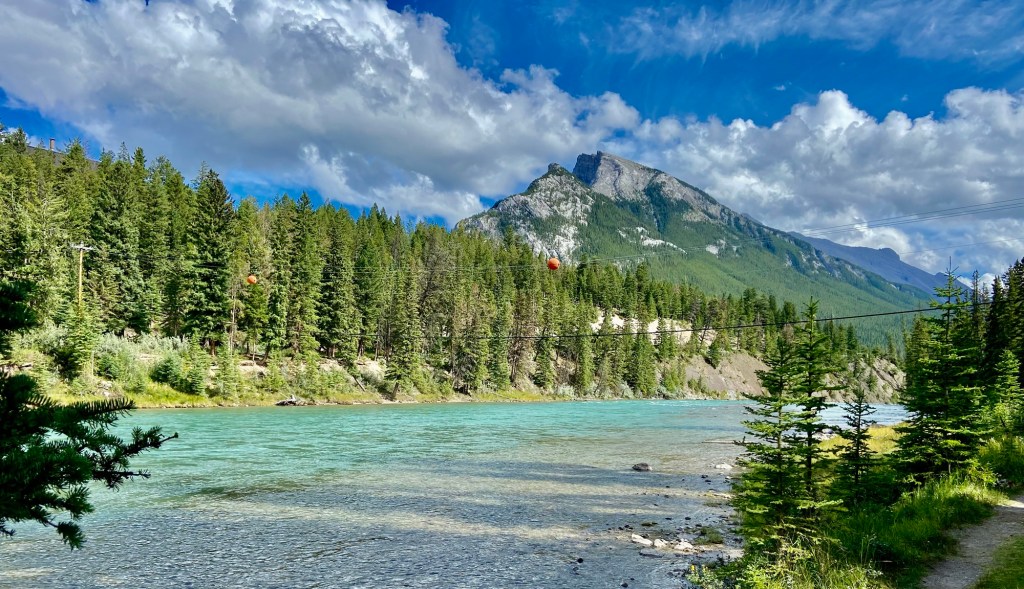
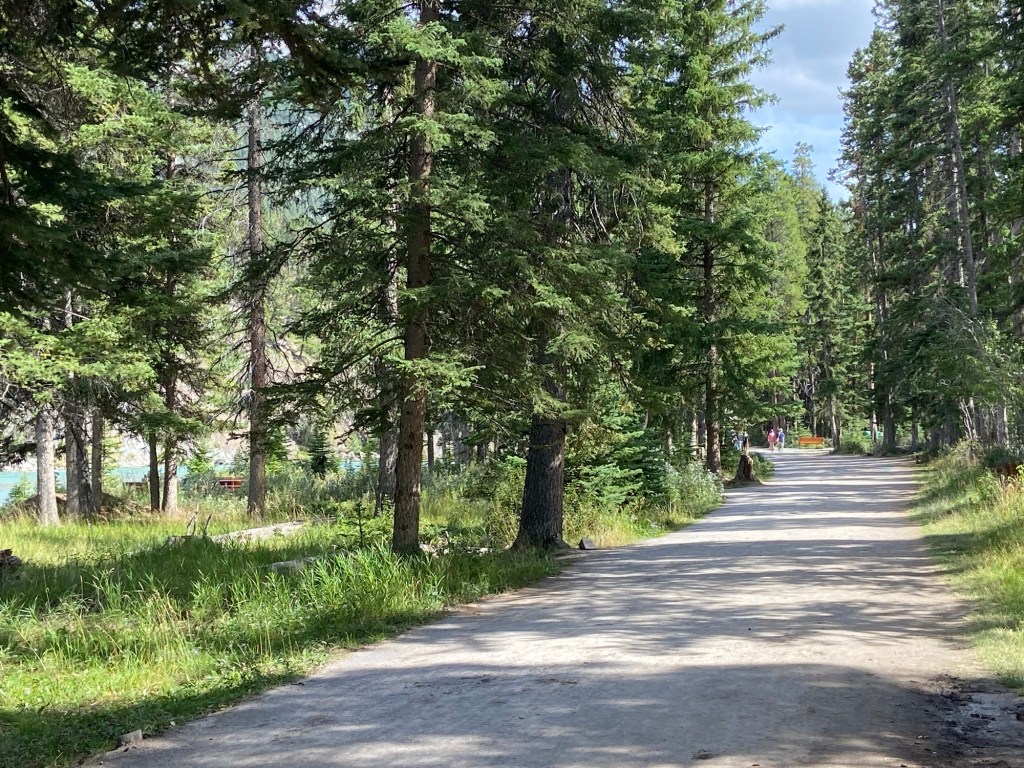

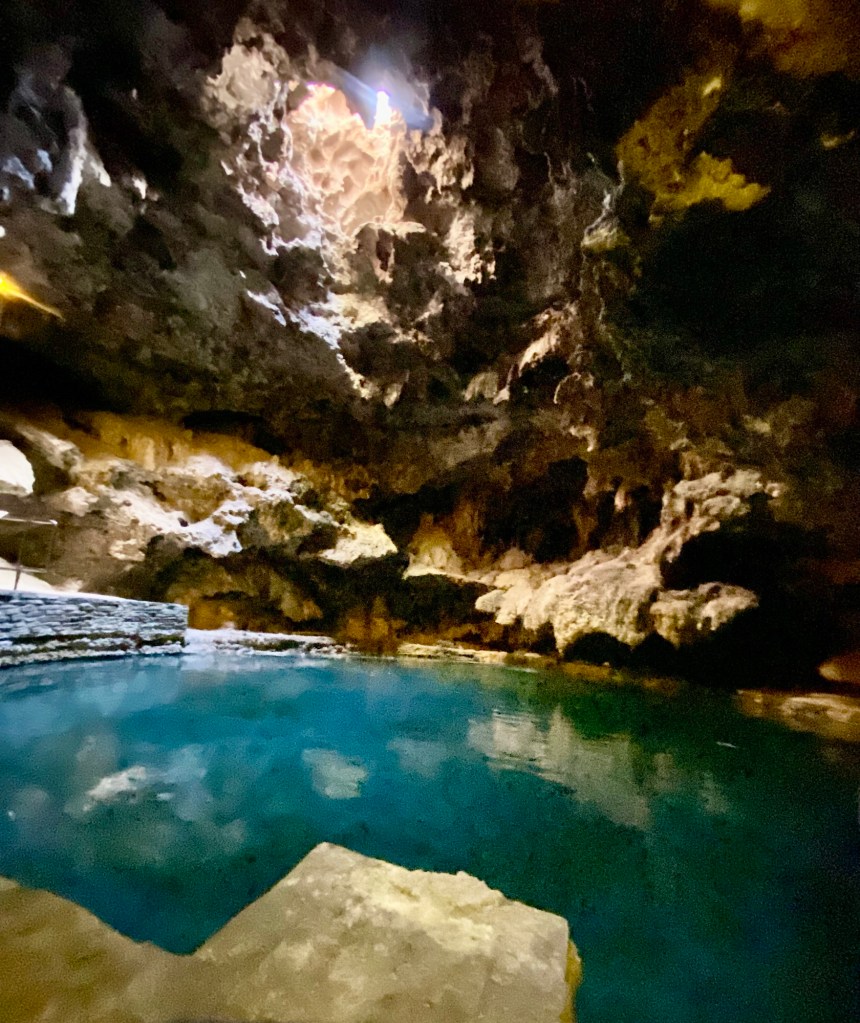
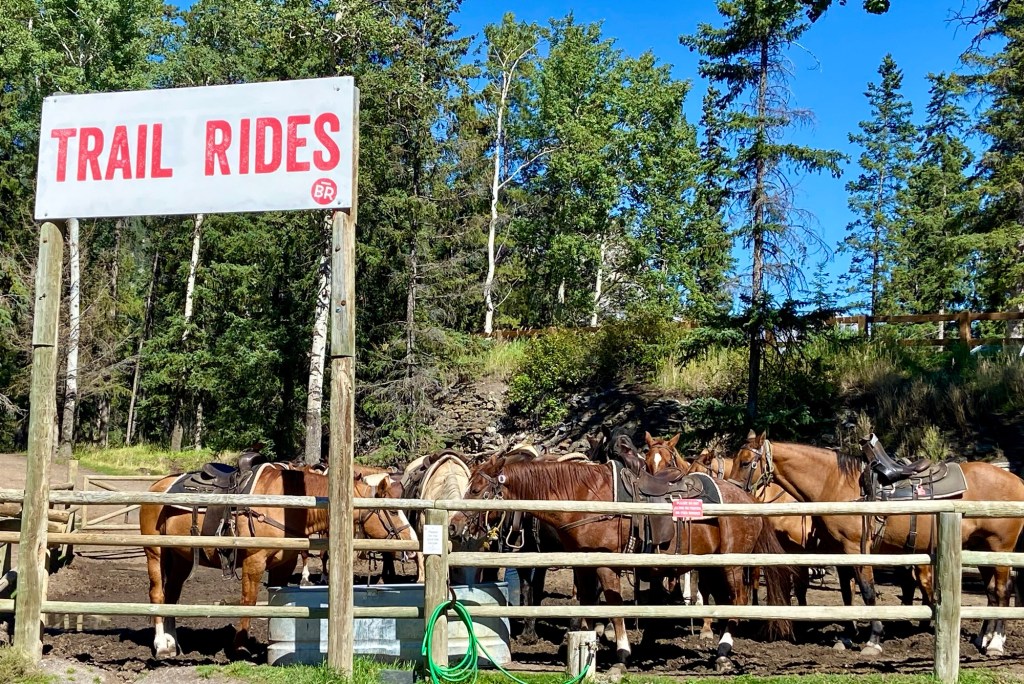
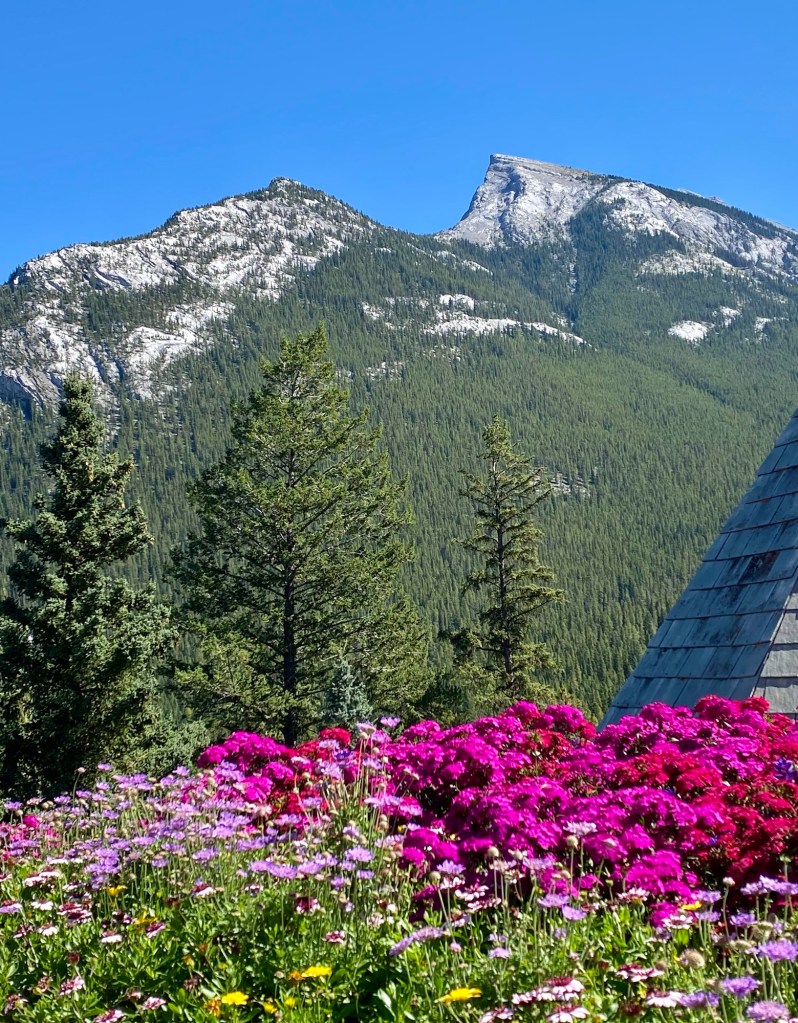
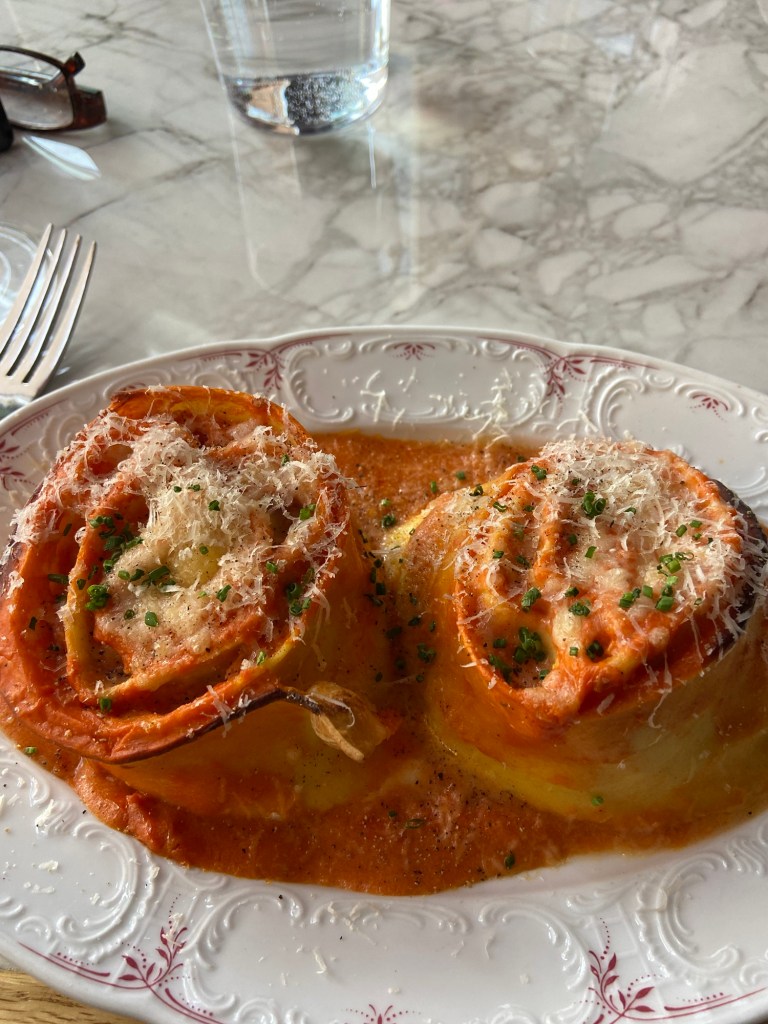
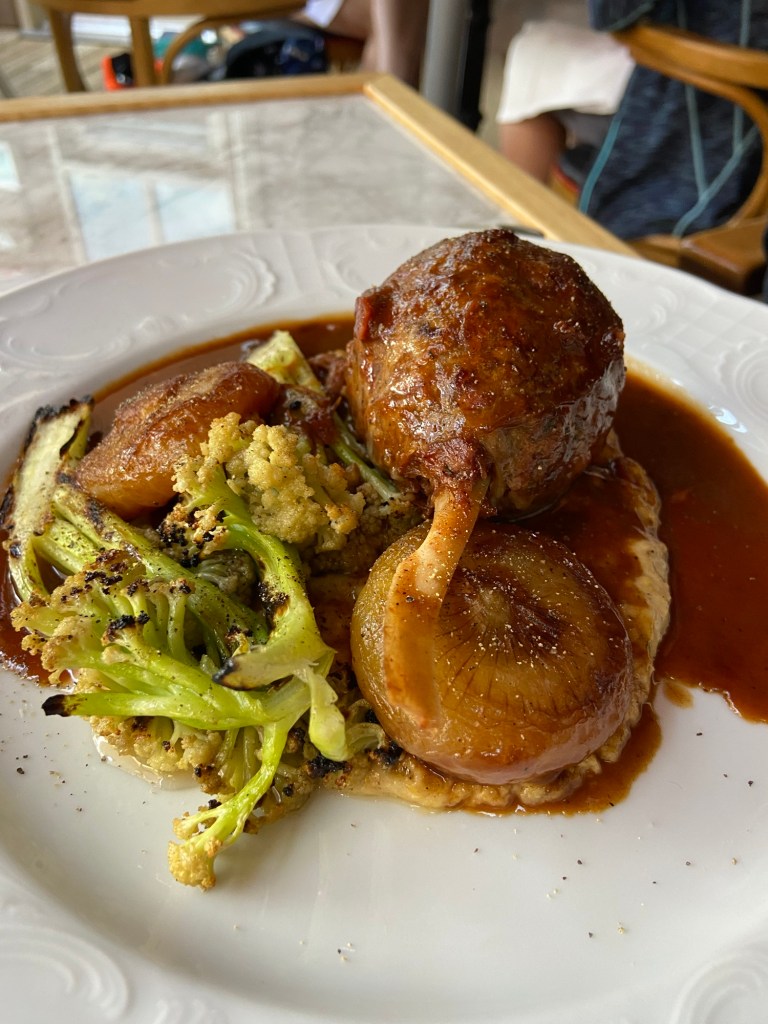
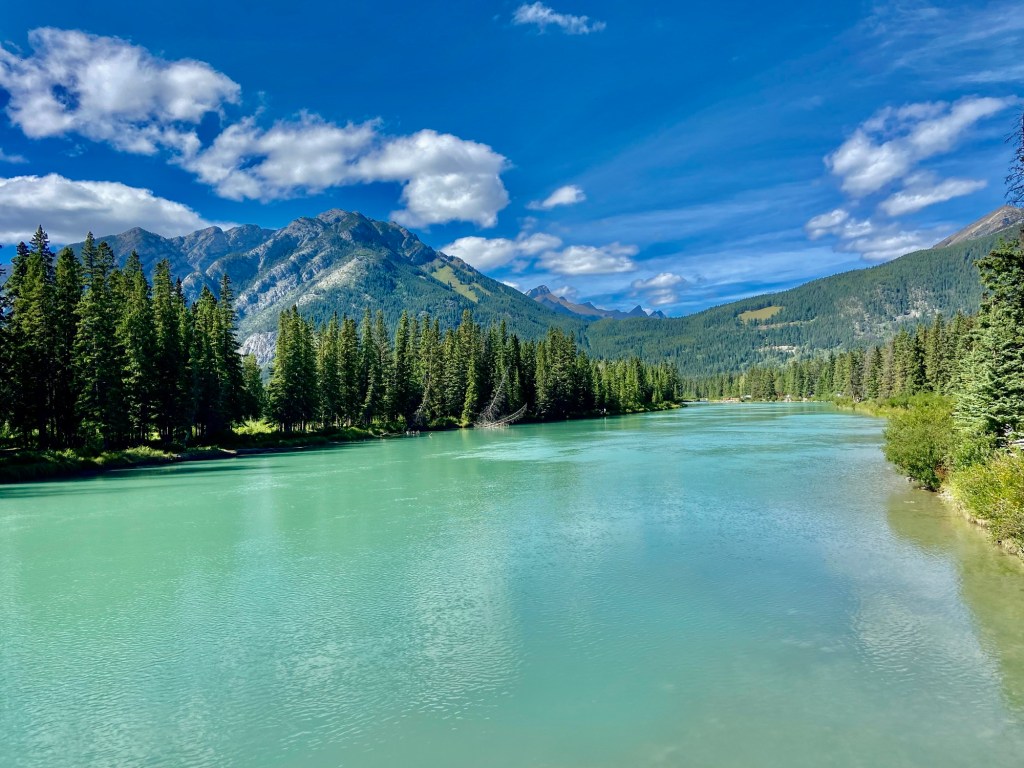
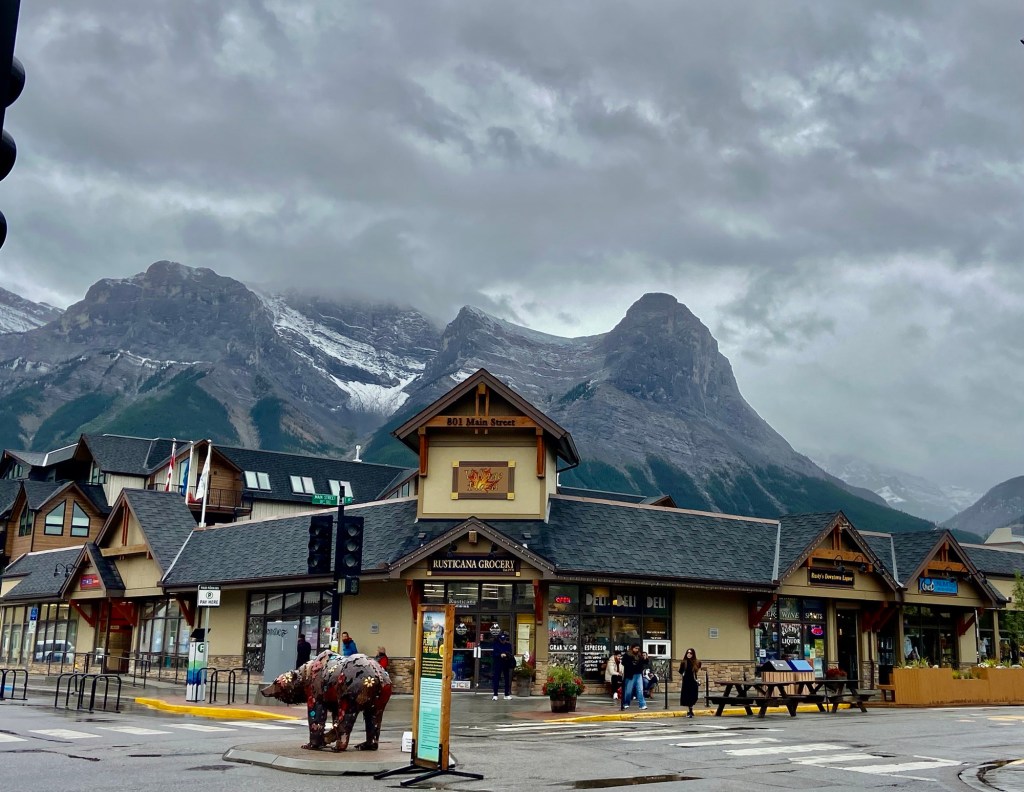
Canmore was a delightful town, and we were thrilled to be staying there. There is a cute, walkable downtown, pedestrian zones, and lots of bike trails, restaurants, and shopping. Most of the lodging for Banff visitors is in Canmore so you won’t have any problem finding accommodations. There were also a few tour companies operating from Canmore, including helicoptor tours.
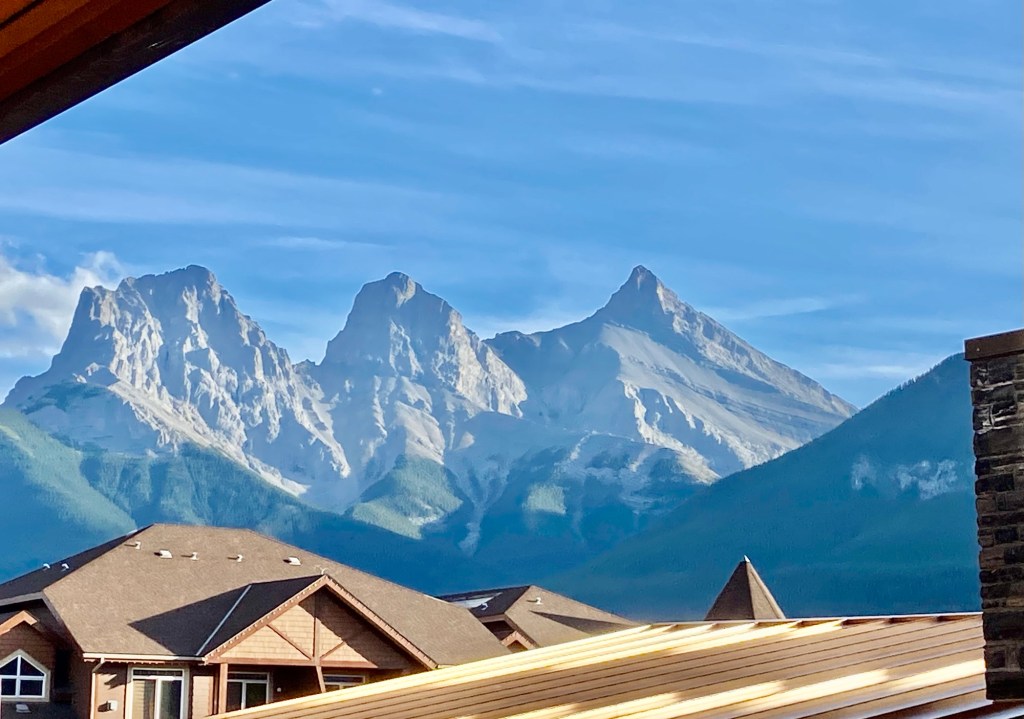
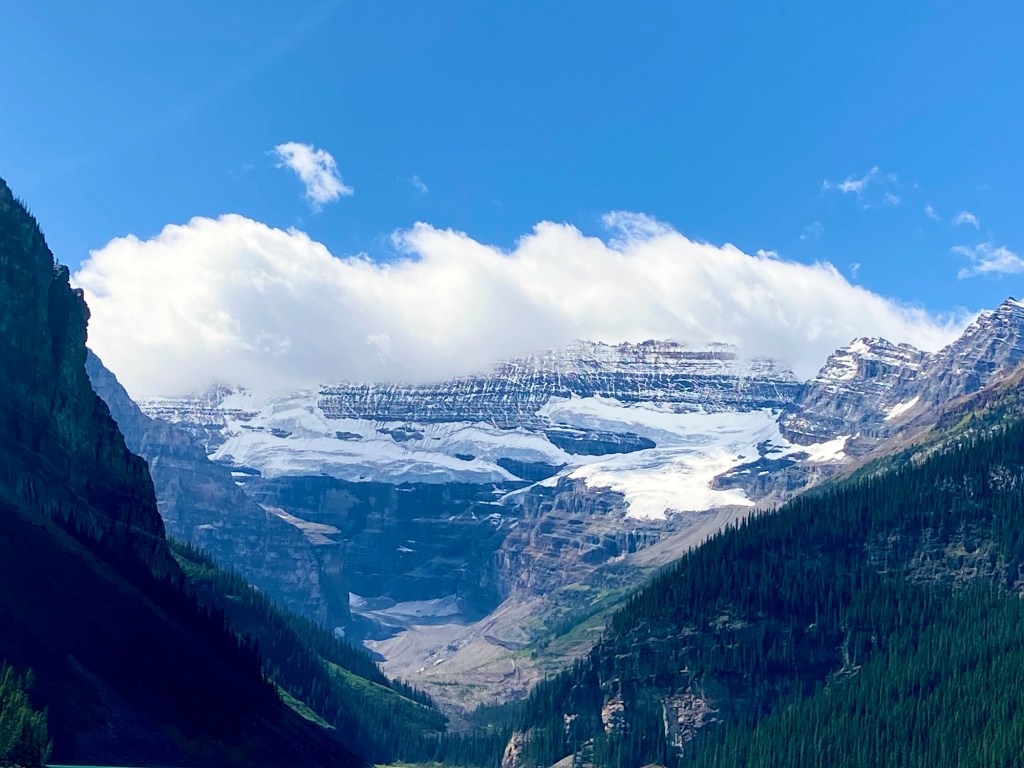
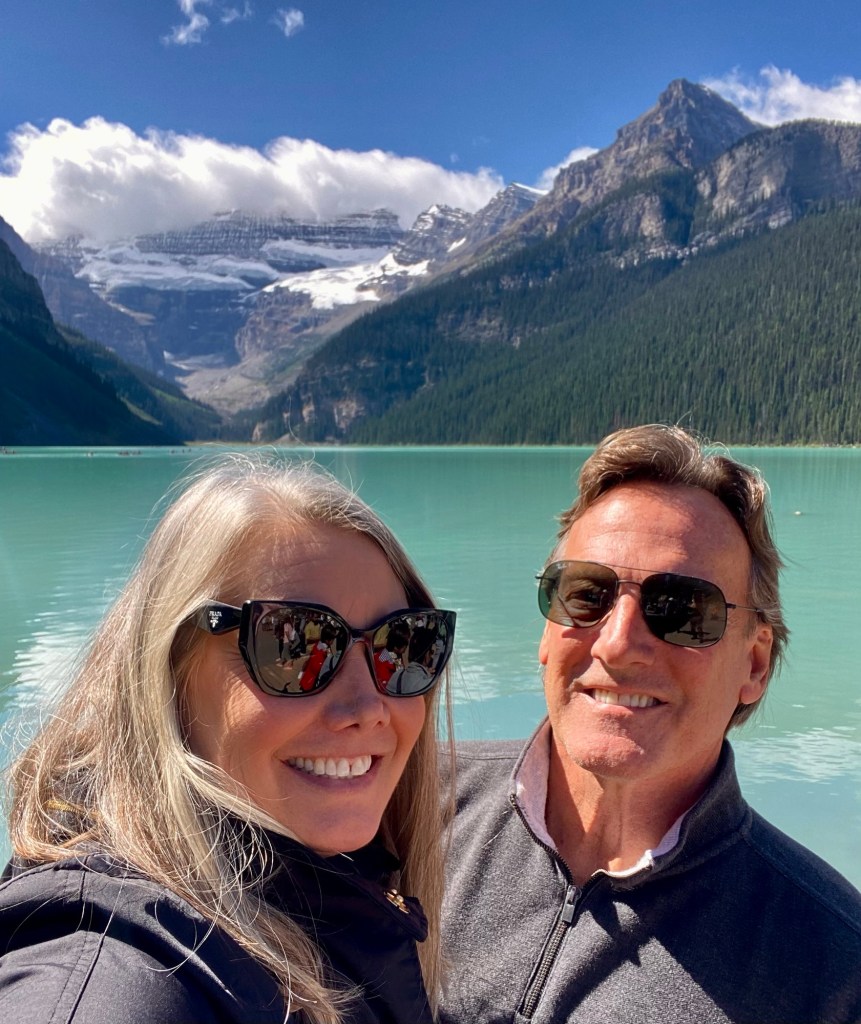
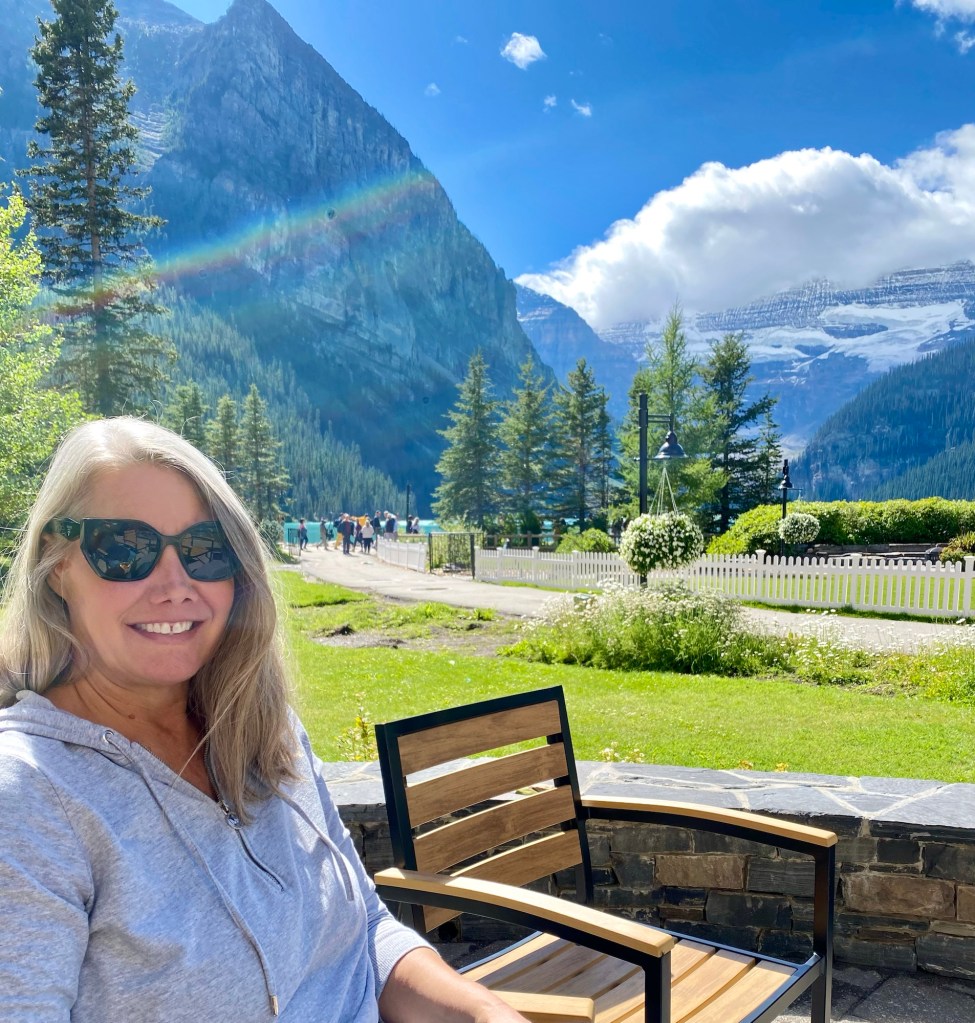
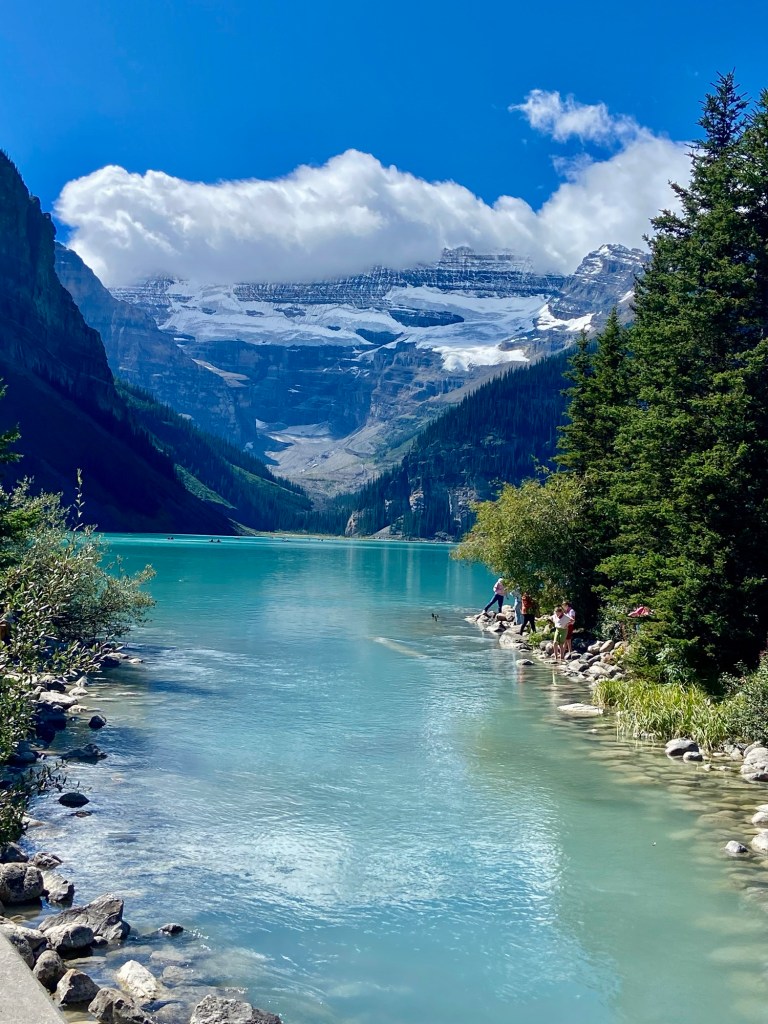
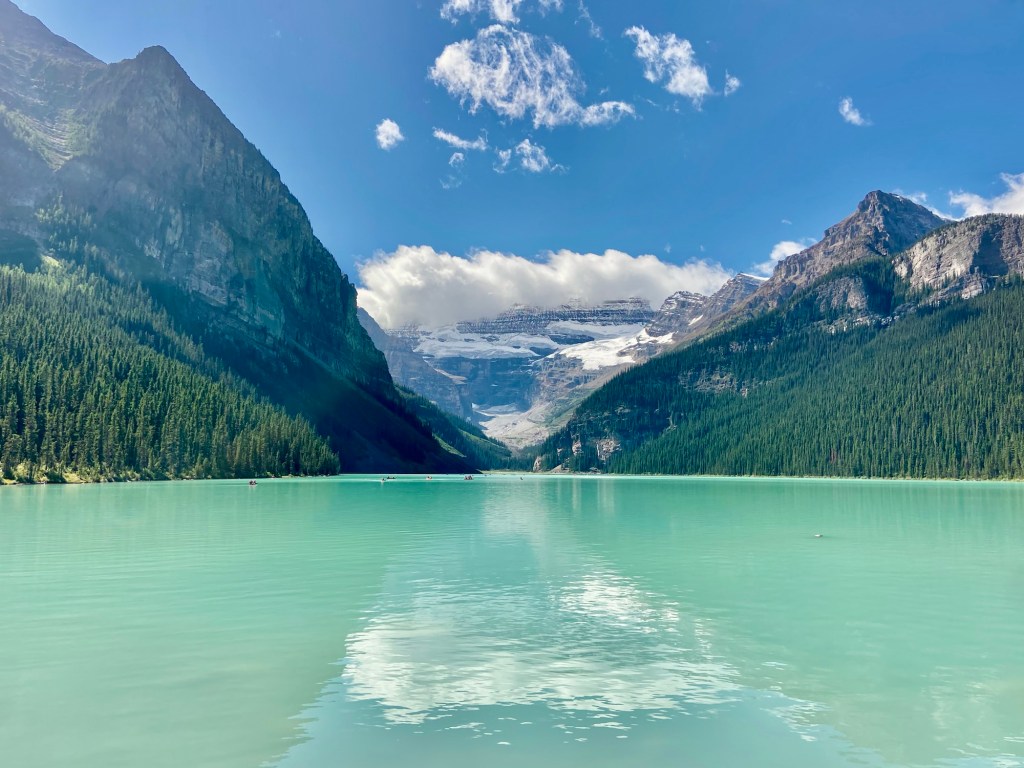
As we planned how we would spend our week, we decided to visit the most popular and spectacular sites in Banff (Lake Louise, Bow Lake, Icefields Parkway and Johnston Canyon), during the week to avoid weekend crowds. Also, we decided to skip the morning crush of visitors and opted to go later in the day, usually heading out around 1:00 PM. Every place we visited we were able to find parking and enjoy our surroundings without loads of people. If you decide to go in the morning, parking is nearly impossible. For Lake Louise & Lake Moraine, you need to reserve your shuttle in advance on the Parks Canada website. You can also book a shuttle from the Lake Louise Ski Resort, but be prepared to pay $50 per person. We couldn’t get the shuttle time we wanted so we decided to see if we could get a cocktail at the Fairmont Chateau Lake Louise and park in their lot. Turns out, we could have parked at the Fairmont for $50, but the parking attendant advised us that the Lake parking lot had open spaces that late in the day, and we ended up parking there for $35. Lake Moraine is completely closed to car traffic so if this is a must-see on your trip, you MUST book a shuttle in advance. After seeing Lakes Louise and Bow, we opted to skip Moraine for another trip.
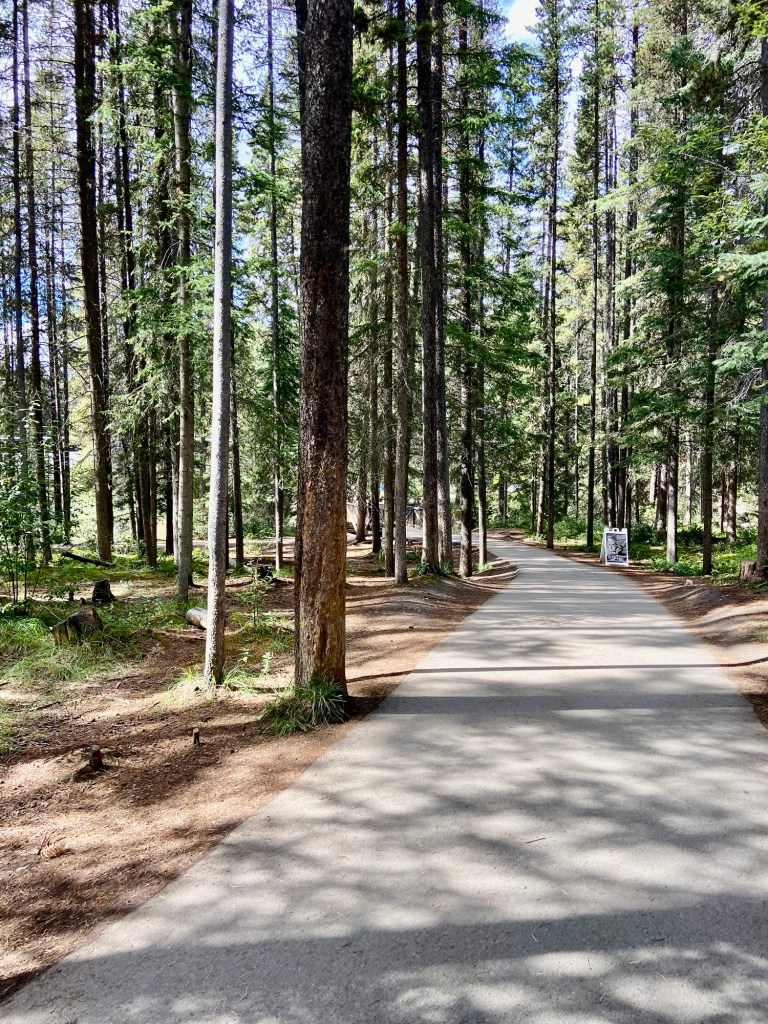
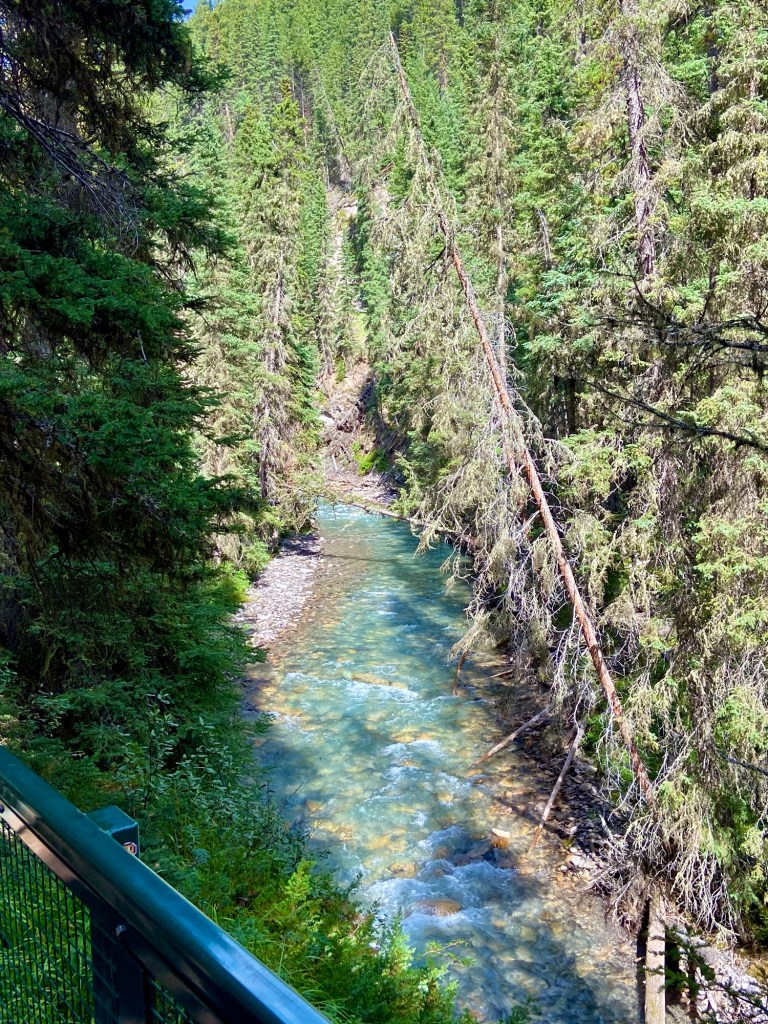
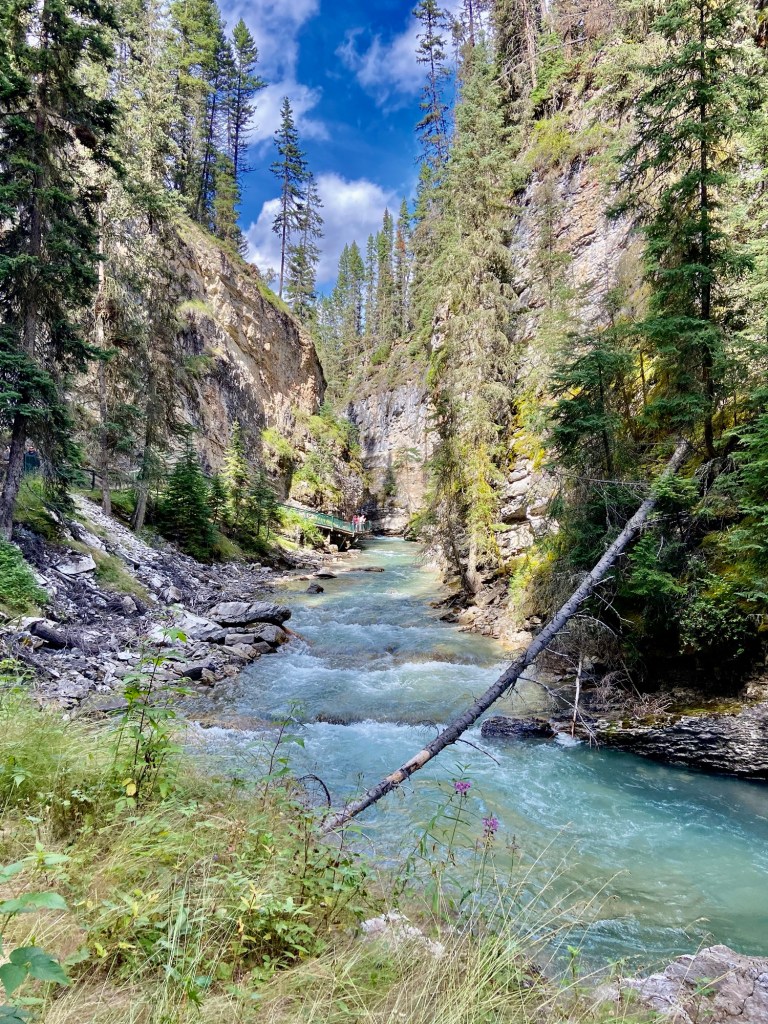
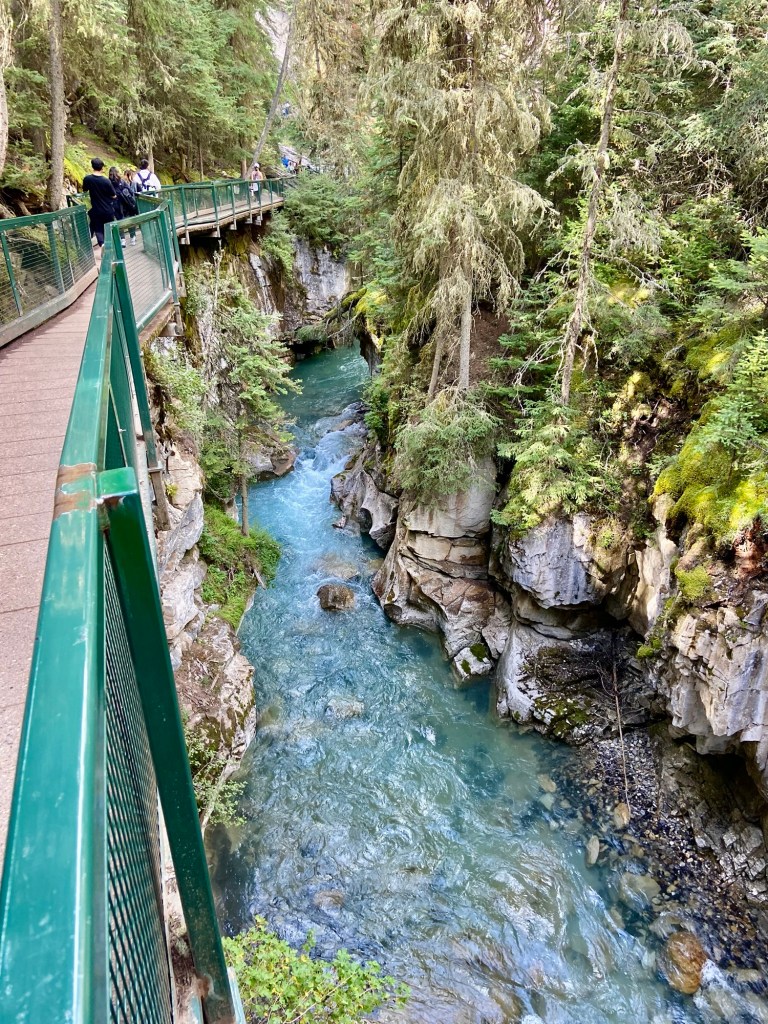
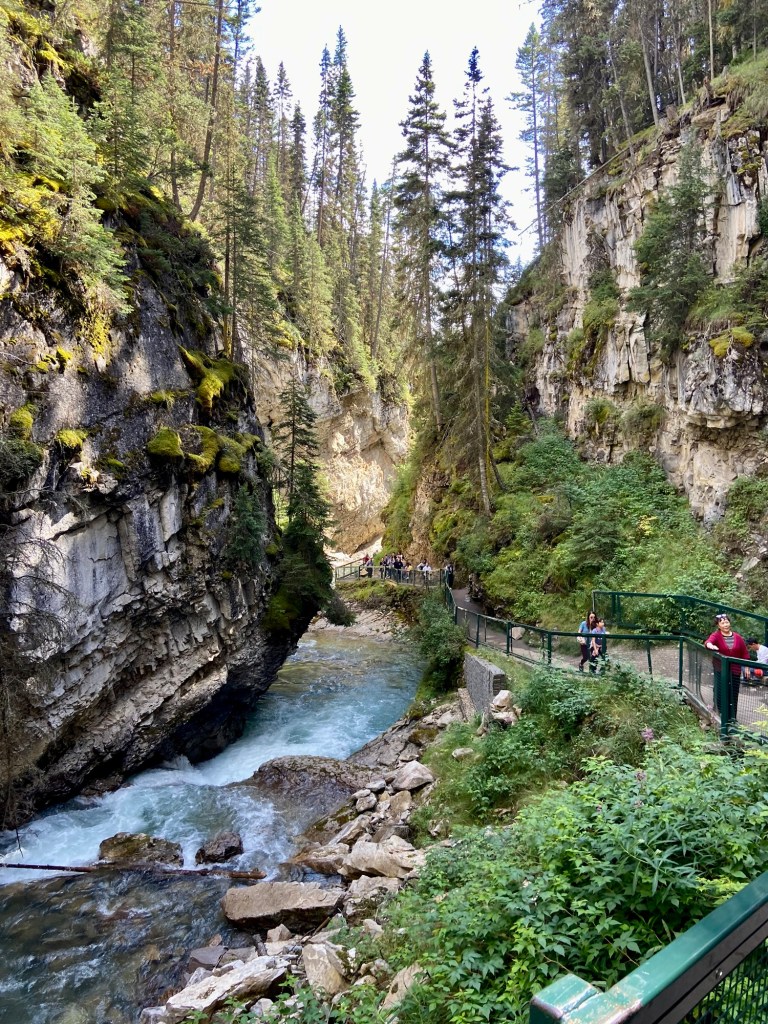
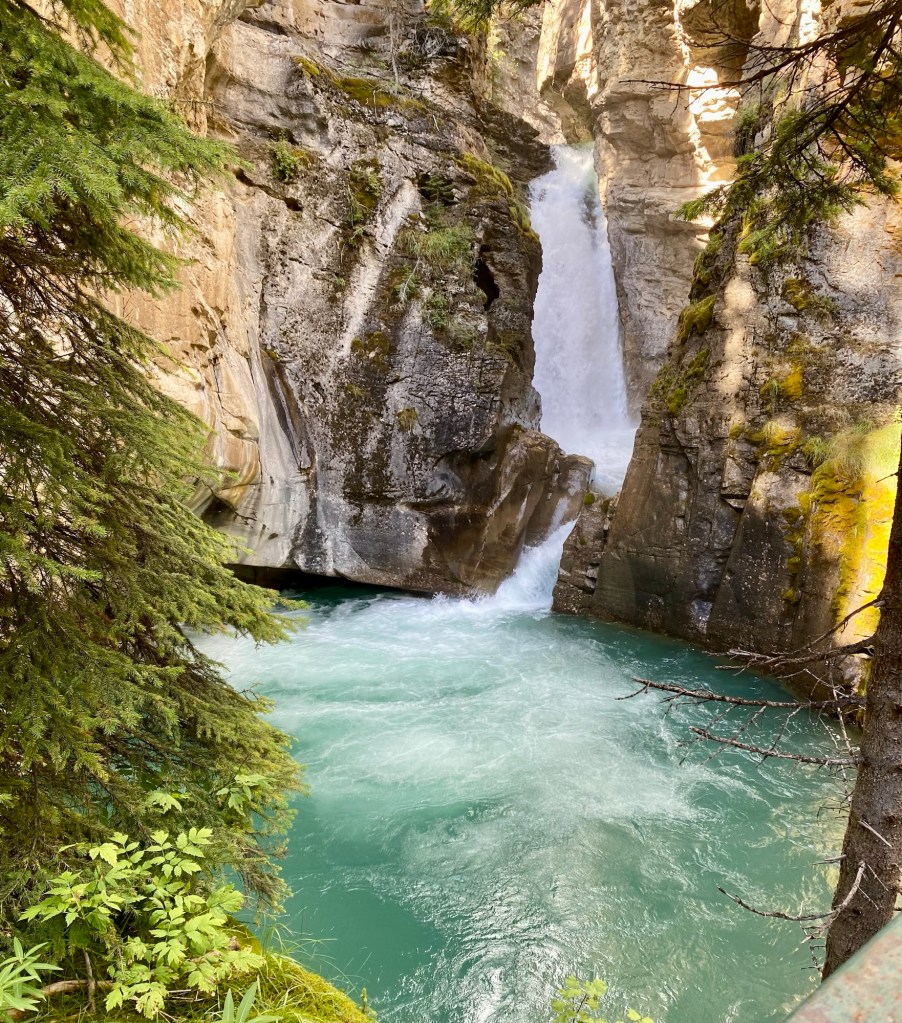
Another popular attraction is Johnston Canyon. We had heard horror stories about the crowds, but again, we went late in the day and there were very few people and plenty of parking. The trail at Johnston Canyon is paved, and many sections have hand rails, making this a great walk for people of all hiking abilities. There is an upper and lower canyon, the upper canyon being a slightly more strenuous hike. The canyon is open year round, so it can be enjoyed during all seasons.
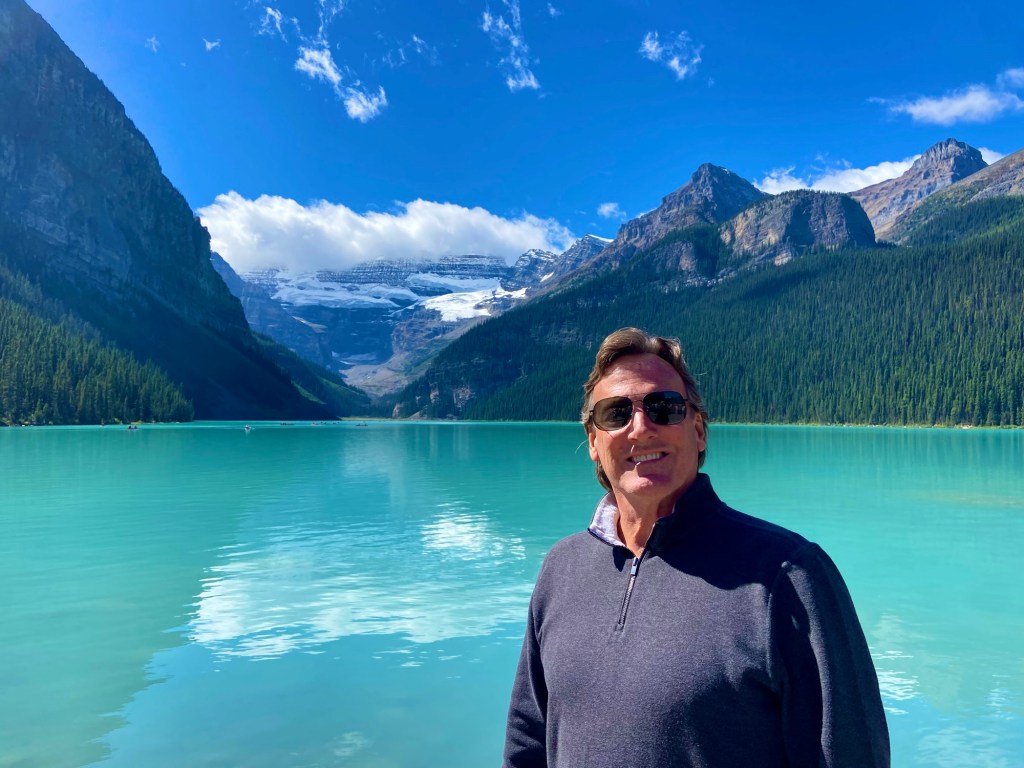
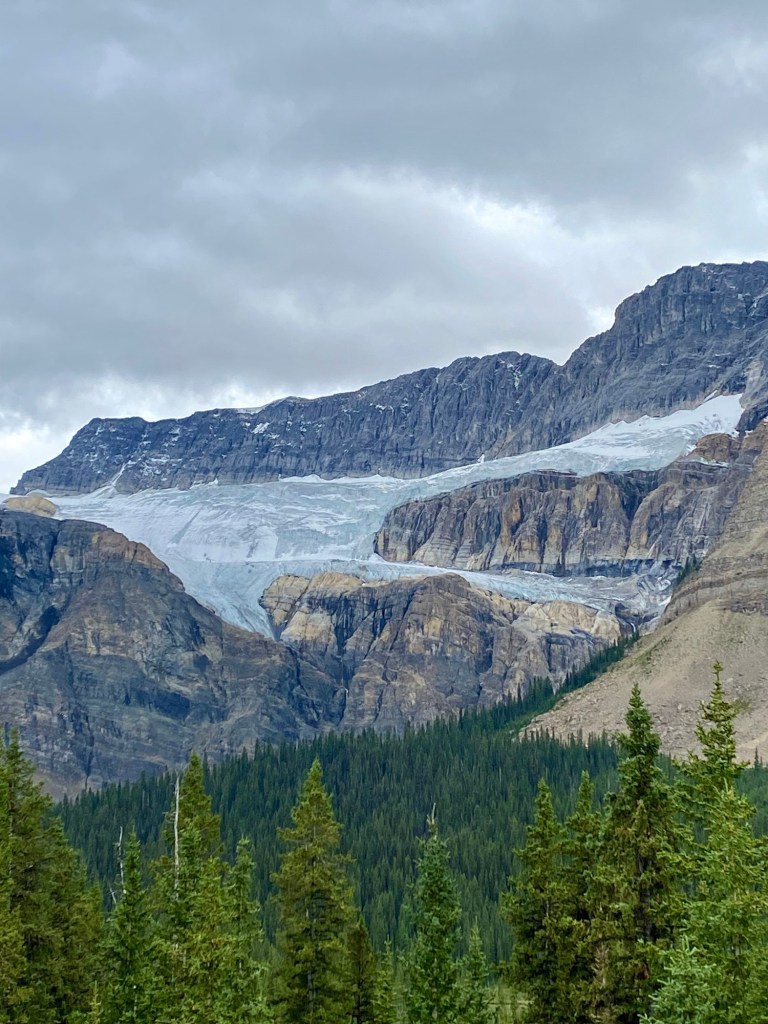
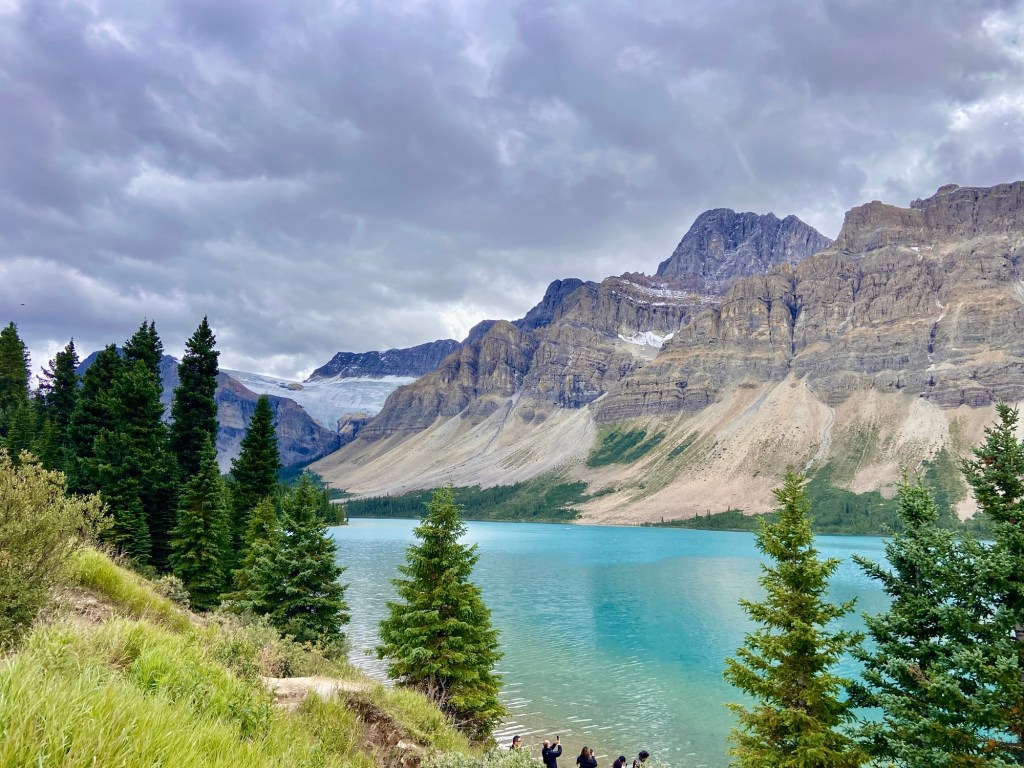
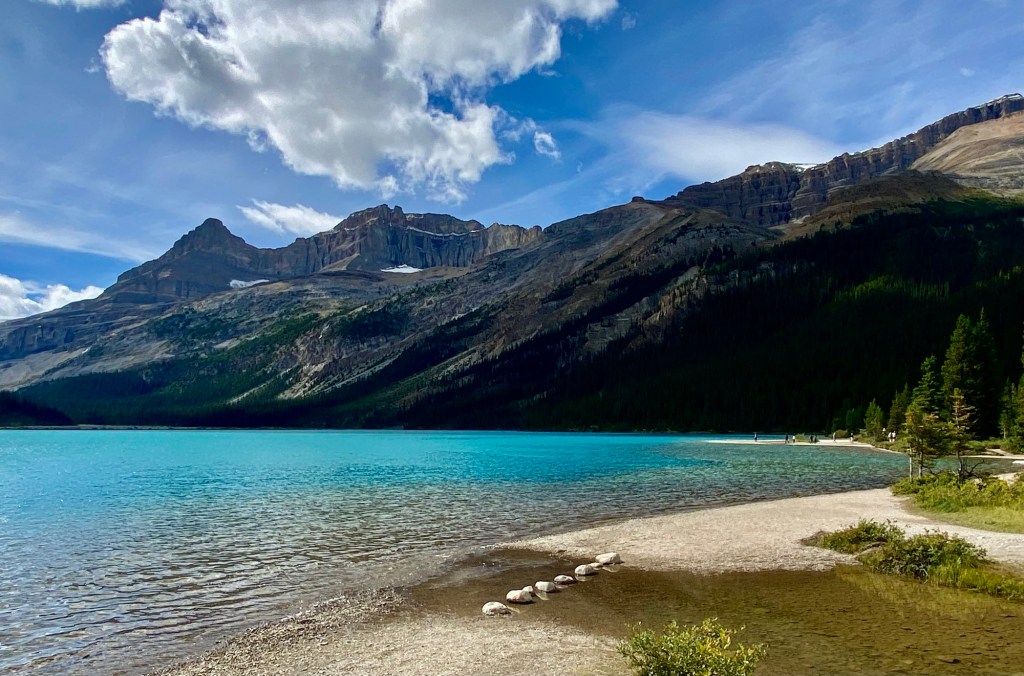
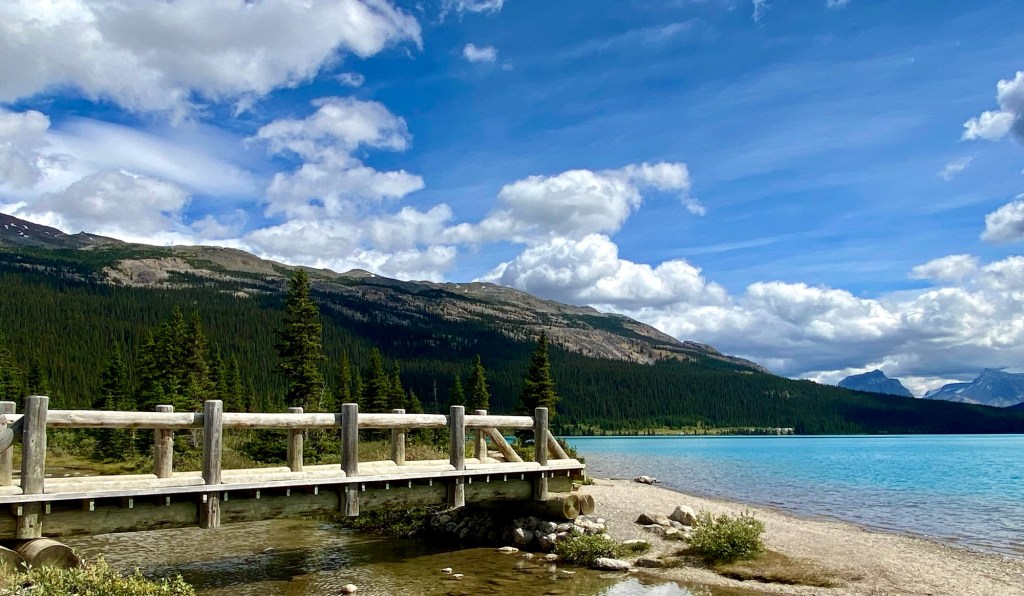
If glaciers are your thing, plot a course along the Icefields Parkway to Bow Lake or further afield. Many of the glaciers are visible from the highway, but there are many opportunities to pull over for photos. The parkway will take you to the Columbia Icefield Skywalk, and further north to Jasper. That was more driving than we were up for so we went as far as Bow Lake. We initially parked at the look-out spot for views and photos, but we saw The Lodge at Bow Lake on the map and decided to check it out. There we found free parking and nearly crowd-free access to the lake, as well as a small café serving refreshments. After you’ve parked, walk a short distance to the lake’s edge for breathtaking views of the most spectacular lake water you’ve ever seen. I found this to be my favorite lake, with a fraction of the crowds of Lake Louise, but with all the splendor. If you’re wondering about access to the water, swimming and non-motorized boating is permitted in all bodies of water within Banff, however, swimming is discouraged because the water is deemed to be too cold, which could result in hypothermia.
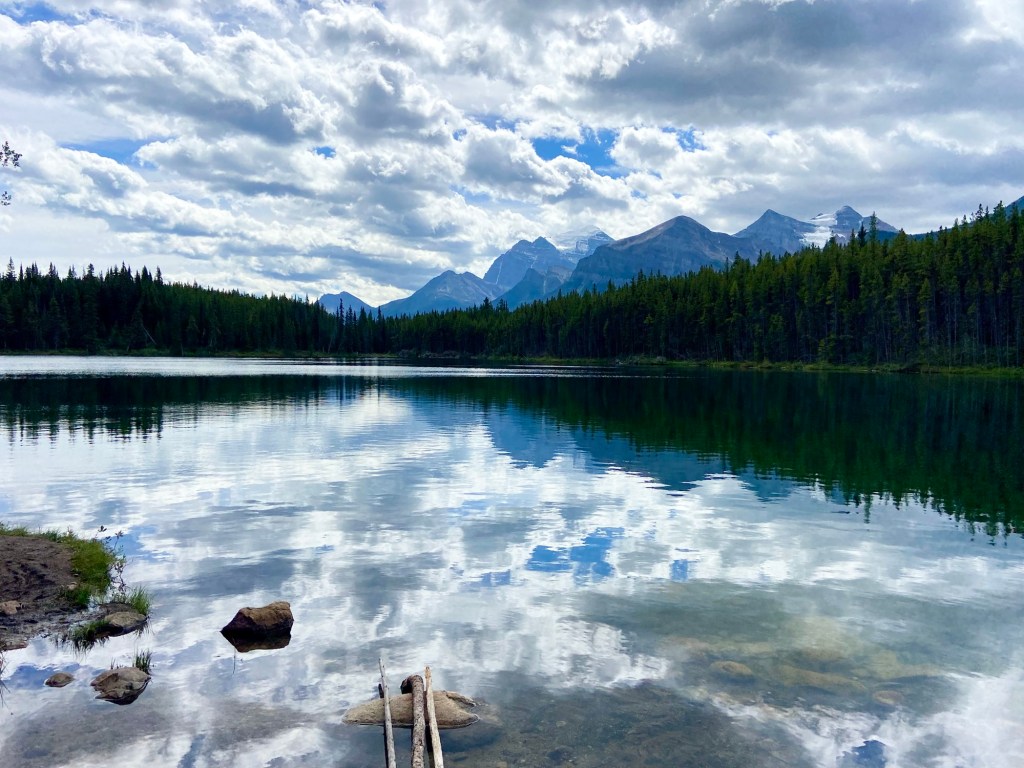
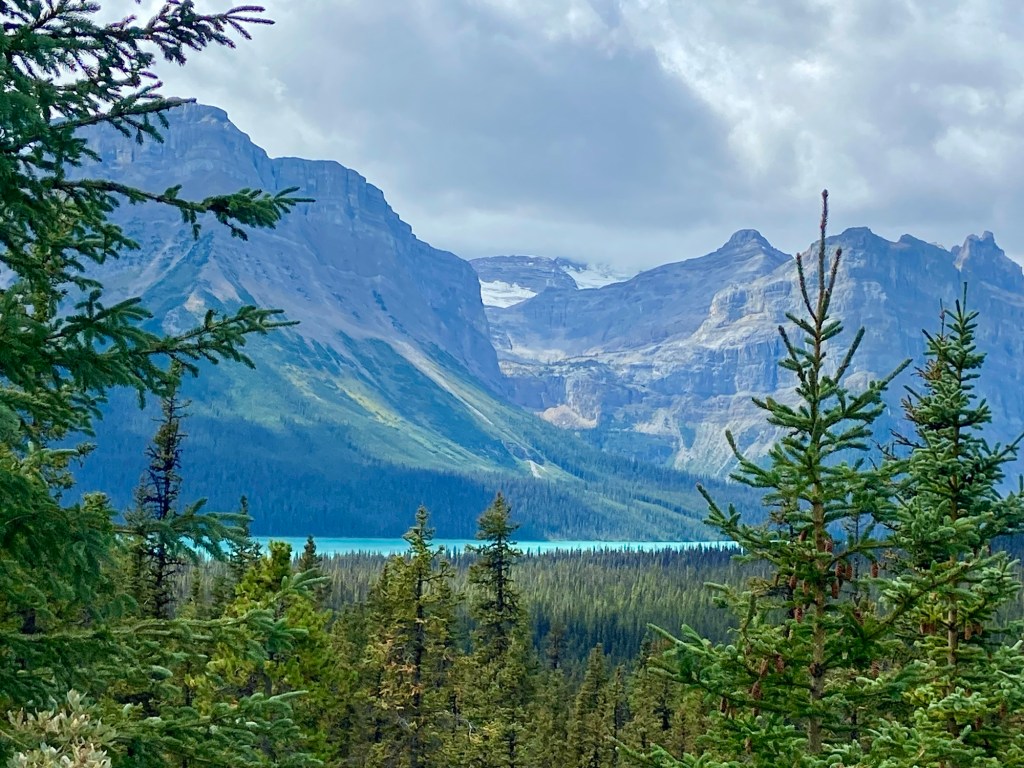

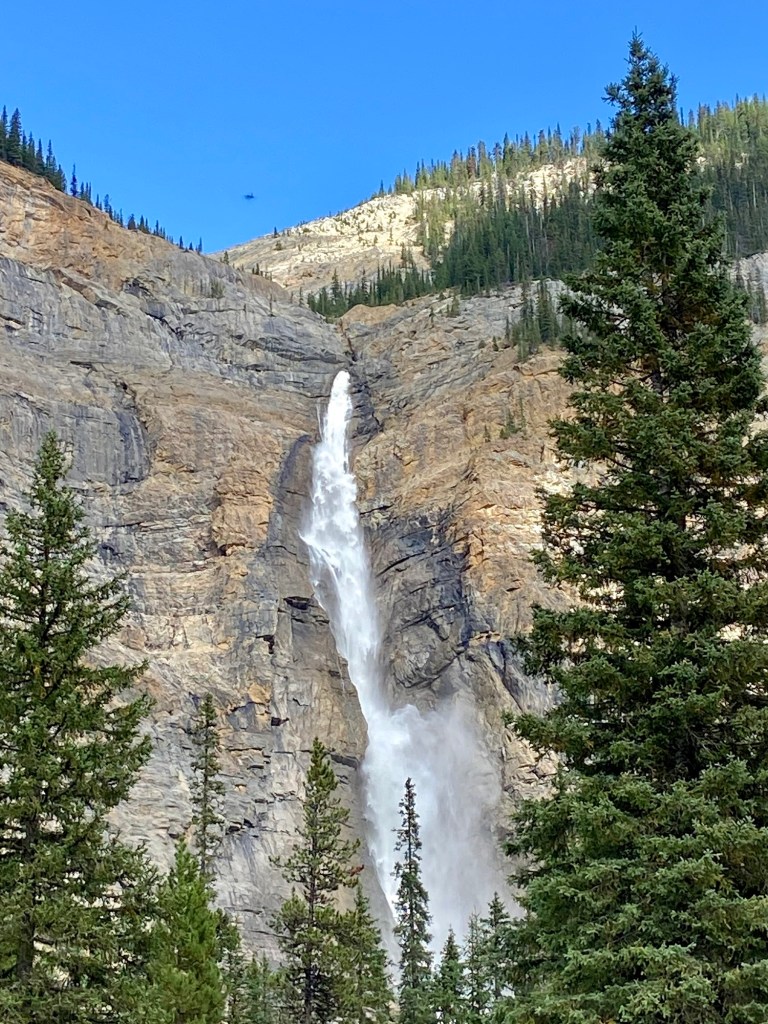
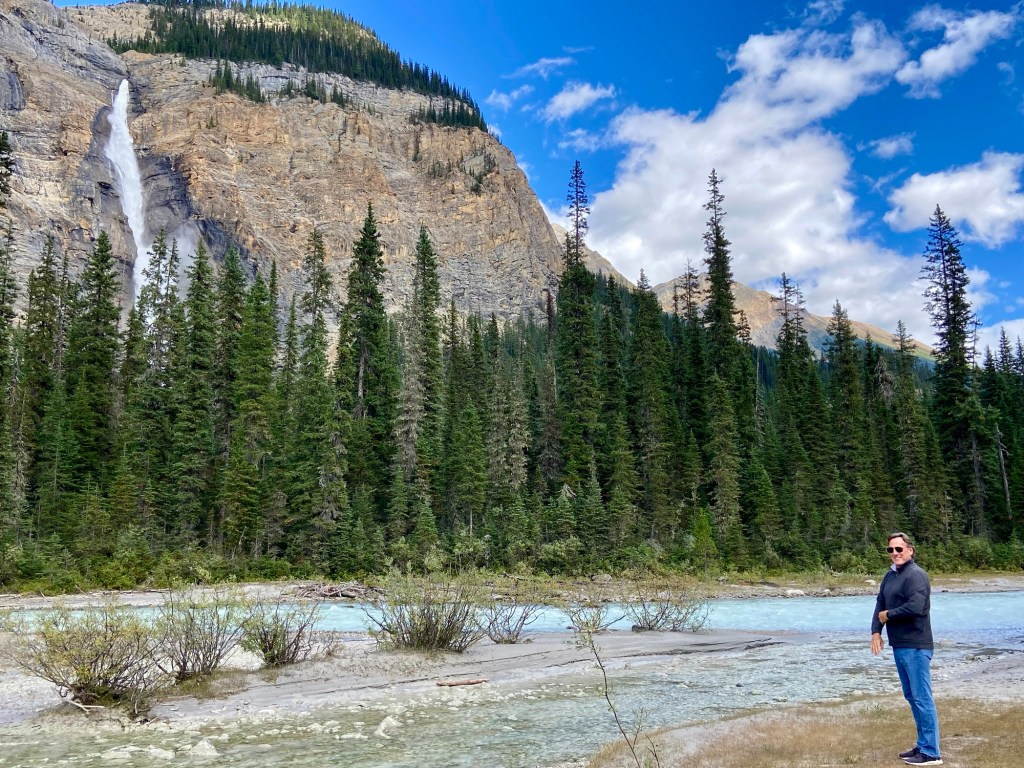
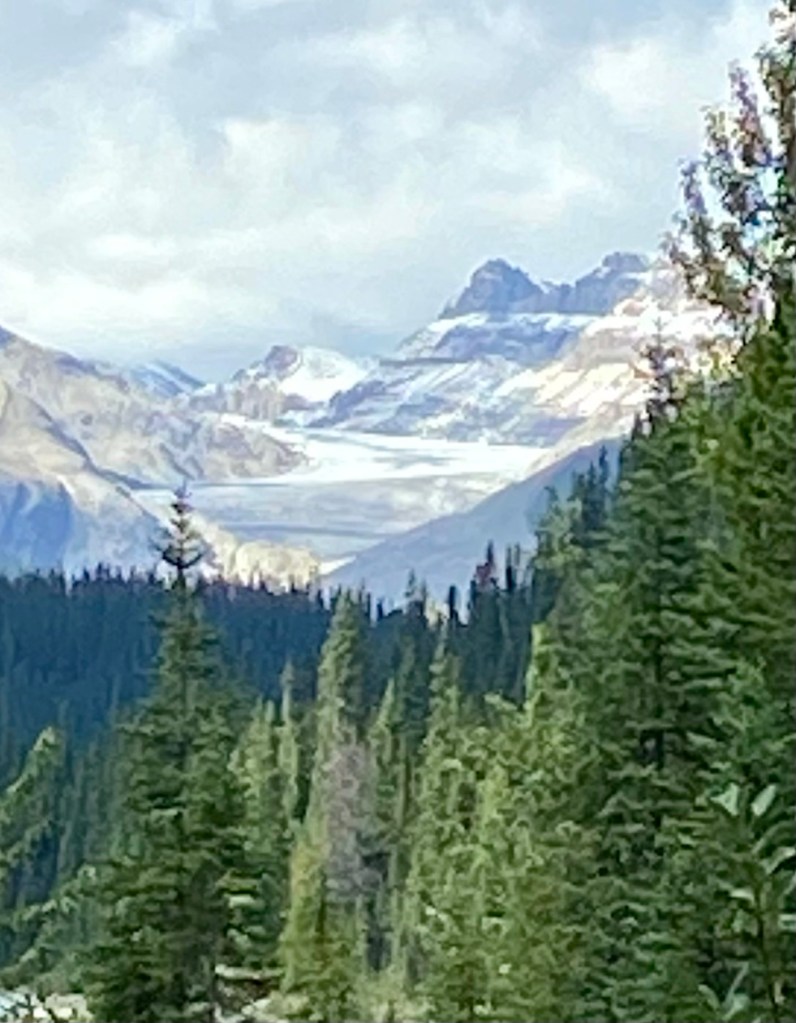
Bordering Banff is the Yoho National Park, which gets rave reviews. A ranger tipped us off to Takakkaw Falls, which is one of the highest waterfalls in Canada. The drive there was twisty, with some very sharp switchbacks (RVs and trailers are prohibited), but it was all part of the adventure. The falls were awesome, and when we walked 5 minutes from the viewpoint, we found ourselves in a wide-open wetland with shallow streams flowing through it, and a massive glacier in the background. The falls are closed October to June, so plan accordingly.
One week in Banff was just enough time to make us realize we needed to come back for a more immersive visit, this time making our way further up the Icefield Parkway in to Jasper, perhaps in an RV!
 The Wandering Lass
Beautiful scenery! Looks like a photographer’s paradise. Are the glaciers receding in Banff as in other locales?
Vic Lipinski
LikeLiked by 1 person
These are the places I wish I had a good camera!!! The iPhone barely captures reality. Unfortunately, the Banff glaciers are receding at an alarming rate. The Peyto glacier has lost about 70% of its mass over the past 50 years and is expected to shrink by another 85% by the end of the century.
LikeLike
[…] make the journey in August 2024, where we embarked on a 30-day trip that spanned Vancouver Island, Banff and […]
LikeLike